Song Meaning
This track paints a picture of radio programming as a predictable, uninspired machine. The narrator opens the radio expecting to hear familiar, safe choices like Bowie and Karma, or other artists deemed 'favorites' – artists who are apparently all 'skeita,' a Finnish slang term implying they're bad or lame. This sets a tone of weary resignation, a feeling that the airwaves offer little genuine excitement or novelty.
The core tension arises from the perceived mediocrity of mainstream radio music. The lyrics suggest that when new releases are sifted through, only 'mediocrities' are found, with an "overdose of Eagles, ELO, and Abba." This isn't just a mild annoyance; it's presented as something that could "kill even a tough man," highlighting a deep frustration with the lack of adventurous programming.
The most striking element is the narrator's cynical take on the motivations behind radio play. The lyrics suggest that the "punk single" (perhaps the song itself, or a type of music the narrator favors) carries a message because it represents "the journalist's own record label." This implies a conflict of interest, where radio stations might be pushing their own affiliated artists rather than playing what's genuinely good or artistically significant. The hope is that "the poor will learn" that "rautalanka" (a Finnish term for surf rock or instrumental rock, often associated with older styles) is "nothing," suggesting a desire for a shift away from established, perhaps stale, genres.
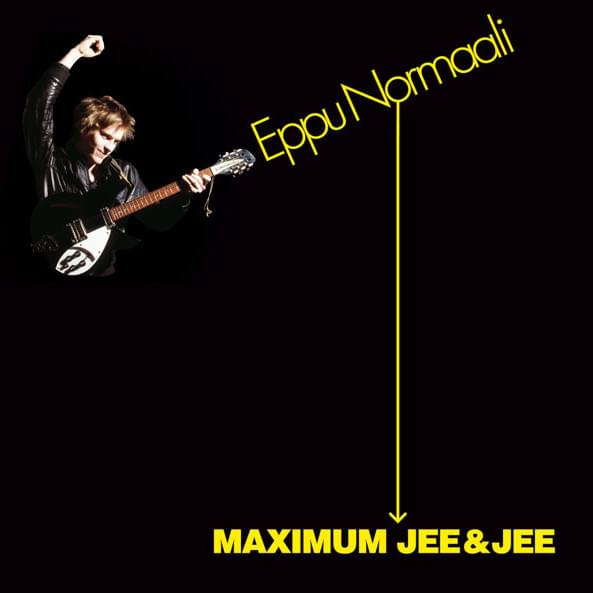
Ultimately, the effectiveness of these lyrics lies in their blunt, almost exasperated critique of commercial radio. The repeated "Jee jee jee" and the chanted "Uh, huh, Radio" create a sense of monotonous routine, mirroring the very predictability the song decries. It’s this direct, no-frills expression of disillusionment with the music industry's gatekeepers that gives the track its punch.
 View Artist