Song Meaning
The narrator revels in their pristine, almost sterile suburban dwelling, a "kopperossa, asunnossa" where they can sleep and bathe, feeling a deep pride in its cleanliness. This idealized "puhtoinen lähiöni" is a place free of "loiseliöt" (parasites), with gleaming floors and supermarket-sourced food, presenting a picture of simple, ordered contentment. The initial tone is one of almost defiant self-satisfaction with this contained, immaculate existence.
This contentment is immediately challenged by an external voice, a critic who dismisses the suburbs and claims the narrator doesn't know their neighbors. However, the narrator counters by stating they hear their neighbors' troubles "seinän läpi" (through the wall) day and night, observing the "talkkareita varsin pösilöitä" (rather lazy caretakers) and "kalsareita pesevia vaimoja urheita" (brave wives washing underwear). This reveals a complex intimacy born not of choice but of proximity, a shared, mundane reality beneath the surface of cleanliness.
The lyrics cleverly juxtapose the narrator's declared pride with a subtle acknowledgment of their limited perspective. "Kai tää on mesta nasta? En tiedä paremmasta" (I guess this is a cool place? I don't know any better) reveals a potential lack of experience, yet this is framed positively: "Tää lähentelee taivasta" (This approaches heaven). The criticism that "kaupunkiin on pitkä matka" (the city is far away) and that "ei täällä viihdy kakaratkaan" (even kids don't like it here) is met with a peculiar defense: the suburbs teach one to "rakastamaan sitä tulevaakin koppia" (to love the future box too), suggesting a learned appreciation for their confined environment.
The effectiveness of these lyrics lies in their wry, understated portrayal of suburban life. The narrator’s initial boast of a clean, perfect home gradually gives way to a more nuanced picture of shared, imperfect lives heard through thin walls. The repeated lines about material possessions and "aravalaina" (a type of housing loan) suggest that even this seemingly idyllic, clean box is built on practical, perhaps restrictive, foundations, hinting that true contentment might be less about the physical space and more about a learned acceptance of one's circumstances.
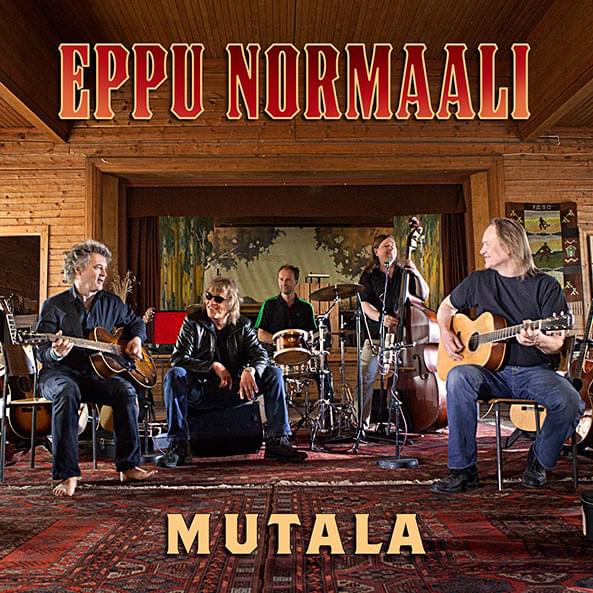
 View Artist