Song Meaning
The lyrics open with a stark, almost defiant repetition of "Elviksen kuolema" (Elvis's death), immediately followed by the blunt assertion "Ei mua liikuta" (It doesn't move me). This sets up a surface-level narrative of indifference to a significant cultural event. The repeated phrase acts like a mantra, but one designed to ward off rather than embrace emotion, creating an immediate tension between the magnitude of the subject and the speaker's claimed lack of reaction.
The core of the song seems to hinge on a generational disconnect, or perhaps a deliberate distancing from a shared cultural moment. The narrator states they were born in '59, placing them in a specific time frame relative to Elvis and the Beatles. The line "Ja Elvis aikaan isoisän" (And Elvis in my grandfather's time) is particularly striking, suggesting Elvis's era is perceived as distant, almost ancestral, rather than a contemporary influence. This framing is amplified by the final line of the verse, "Mä vielä edes masturboinut en" (I hadn't even masturbated yet), which uses a raw, personal, and somewhat juvenile image to underscore their youth and perceived irrelevance to the Elvis phenomenon.
The most compelling aspect of the writing is the contrast between the grand, almost mythic event of Elvis's death and the intensely personal, almost mundane, details the narrator offers as their frame of reference. The repetition of "Elviksen kuolema" becomes less about the event itself and more about the narrator's internal state, a sound they are actively choosing not to be moved by. The structure, with its insistent refrain, mirrors a kind of stubborn refusal to engage with a cultural touchstone, making the speaker's detachment the central, and perhaps only, subject.
This lyrical approach is effective because it subverts expectations. Instead of exploring the impact of Elvis's death on a culture, it focuses on the individual who feels entirely outside of that impact. The bluntness of "Ei mua liikuta" combined with the specific, slightly awkward personal detail creates a portrait of someone actively constructing their own narrative, separate from the dominant cultural memory. It’s this deliberate, almost aggressive, assertion of non-participation that gives the lyrics their peculiar power.
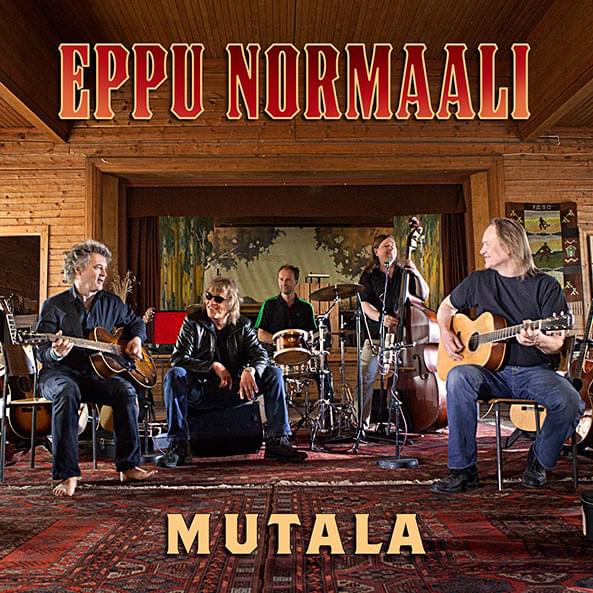
 View Artist