Song Meaning
The lyrics paint a vivid picture of nature's abundance and cyclical beauty, opening with imagery of blooming flax and clouds in the sky, suggesting a vibrant, fertile world. The narrator observes birds, summer singers, imploring the listener to pay attention to their songs. This initial scene establishes a tone of gentle observation and appreciation for the natural world, setting the stage for a deeper connection.
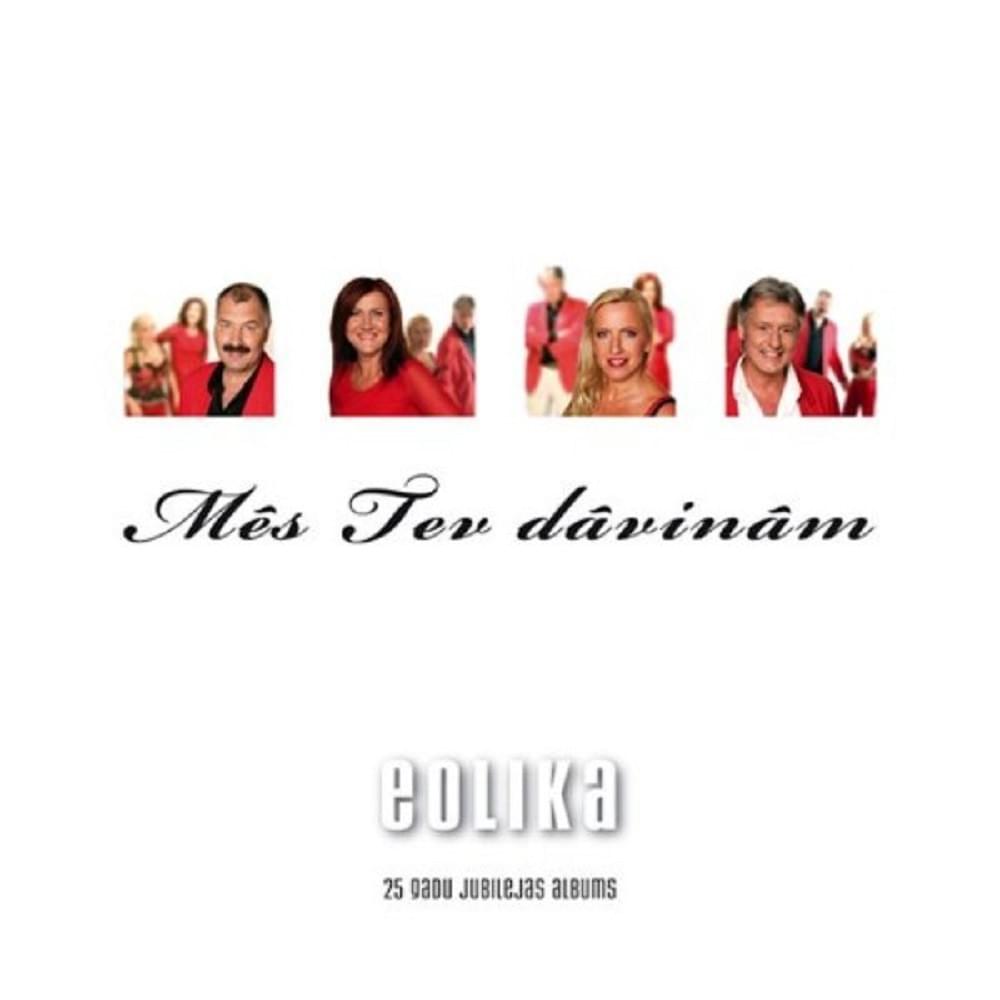
The core of the song seems to revolve around a profound offering of self to the world, encapsulated in the repeated phrase "Mēs Tev dāvinām sevi, Pasaule, pasaulīt" (We give ourselves to You, World, little world). This act of self-dedication is presented as a response to the world's generosity, like the fertile rain falling on hot earth. The lyrics suggest a reciprocal relationship, where the human spirit mirrors the natural cycles of giving and receiving.
A striking element is the juxtaposition of celestial and earthly imagery. "Zied pusnaktī zemu zvaigznes" (Low stars bloom at midnight) and "Reibdamas zvaigznes zied" (Drunken stars bloom) create a sense of cosmic wonder, while the image of the "Vecs vītols kanāla malā" (Old willow by the canal) grounds the experience in a more intimate, earthly setting. The willow, seemingly lost in thought until its morning, reflects a personal introspection that complements the grander universal themes.
Ultimately, the lyrics evoke a feeling of belonging and continuity. The final stanzas, describing light over Riga's roofs and cobblestones as "gadsimtu zelts" (gold of centuries), and the earth as a "brīnišķais kuģis" (wonderful ship) sailing through eternity, suggest that life, despite its fleeting moments, is part of an enduring, magnificent cosmic journey. The act of giving oneself to the world becomes an affirmation of this shared existence and eternal flow.
 View Artist