Song Meaning
The lyrics paint a stark picture of a life that feels both vividly present and utterly devoid of value. The opening lines immediately establish a sense of profound hardship, comparing this "difficult life" to an image "painted entirely in the eyes of a beautiful child begging on the side of the road." This powerful, almost surreal, juxtaposition grounds the abstract concept of a tough existence in a concrete, heartbreaking scene. The repetition of "E questa è la mia vita / È la nostra vita / Buona per nessuno" hammers home a feeling of shared, inescapable despair, suggesting a collective experience of being overlooked or deemed unworthy.
The second verse introduces a new, yet equally fragile, metaphor: a life "suspended up there in the sky / Up there in the sky / With two cardboard wings." This image evokes a sense of precariousness and artificiality, as if the narrator's existence is held together by flimsy, easily broken materials. The repeated plea of "Nessuno" (Nobody) after declaring the life "good for no one" amplifies the isolation and the crushing weight of insignificance. It’s a desperate cry into an empty space, reinforcing the idea that this difficult life offers no solace or purpose to anyone, including the self.
The third stanza shifts tone, offering a desperate, almost frantic, set of suggestions for how to cope with an "insipid life." The narrator proposes trying "insolence," "pity," and "lies" as remedies, but these attempts at manipulation or self-preservation prove futile. The image of "sparrows that were watching you" flying away signifies the ultimate failure of these tactics; even the smallest, most indifferent observers are repelled or have simply given up. The retreat of these sparrows underscores the profound loneliness and the inability to connect or find meaning, even through desperate measures.
Ultimately, the lyrics resonate through their unflinching portrayal of a life that feels both intensely felt and utterly worthless. The recurring image of the begging child, coupled with the fragile cardboard wings, creates a potent emotional landscape of vulnerability and despair. The writing doesn't offer easy answers or hope; instead, it confronts the listener with the raw, unvarnished reality of a difficult existence that is "good for no one," leaving a lingering sense of melancholy and profound empathy for the narrator's plight.
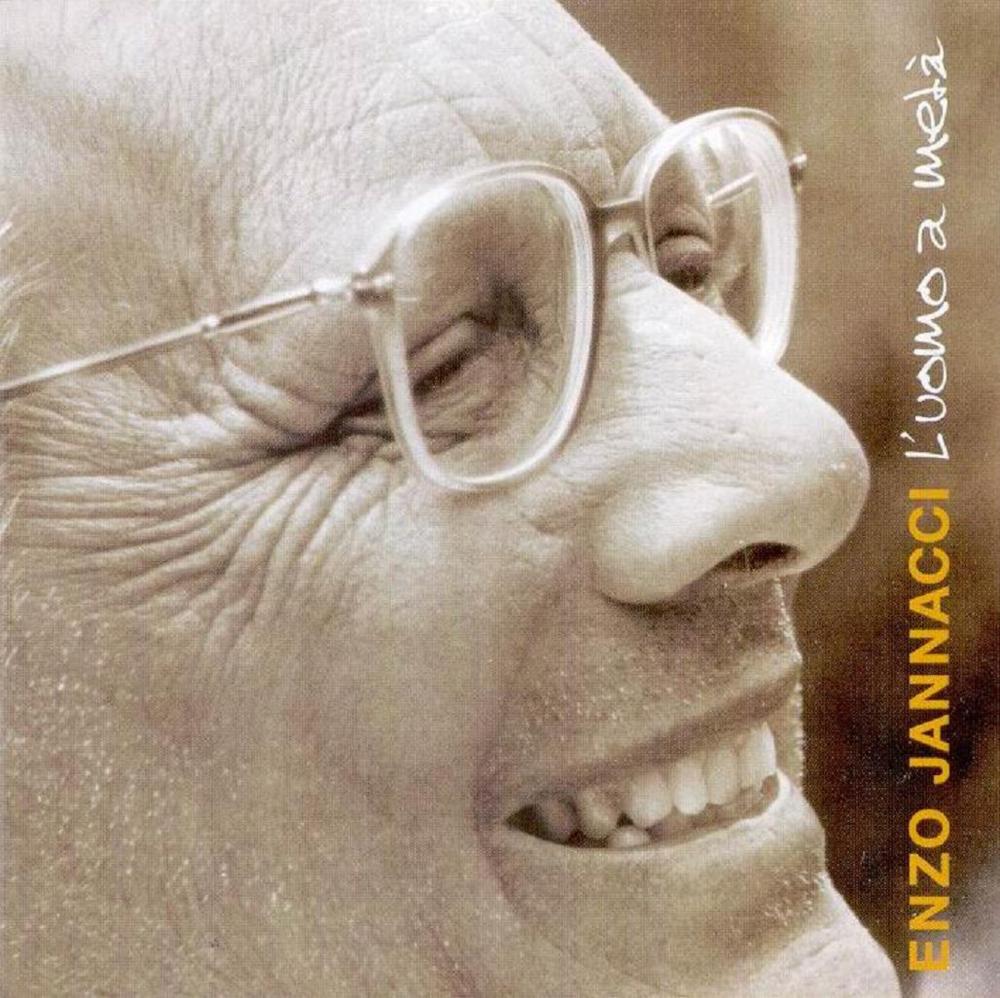
 View Artist