Song Meaning
The radio speaks, but it's merely a "souvenir" of the world outside, a distant echo. The narrator feels a sharp, quiet pain knowing that reality still "c'è..." — it exists, but not for them. This immediate sense of profound detachment establishes a deeply melancholic tone.
This initial detachment quickly gives way to a yearning for a specific kind of connection, marked by the repeated plea to "Parla più piano" — speak more softly. The narrator isn't asking for a loud re-entry into the world, but for an intimate, hushed conversation about others "che è sola," people who are alone. It's a poignant search for shared solitude, a quiet validation in knowing others might be "più sola di me."
The recurring image of the "souvenir" is particularly striking, evolving from a detached observation to a deeply personal lament. Initially, it's the "mondo là fuori" that has become a memory, a past reality. But the final lines reveal a person, "lei," who "suo malgrado" — despite herself — is "già un souvenir." This shift from a general concept to a specific individual suggests a profound, almost passive, loss where even present relationships recede into the realm of memory, underscoring the narrator's deep emotional distance.
The lyrics achieve their emotional resonance through this quiet vulnerability and the narrator's struggle with authentic expression. The admission "dico poco / Neanche la verità" when they "scrivo sul muro" reveals a profound internal conflict, a reluctance or inability to articulate true feelings, even in private. This stark honesty about their own guardedness, juxtaposed with the gentle longing for connection, makes the isolation feel incredibly raw and deeply affecting, drawing the listener into their hushed, melancholic world.
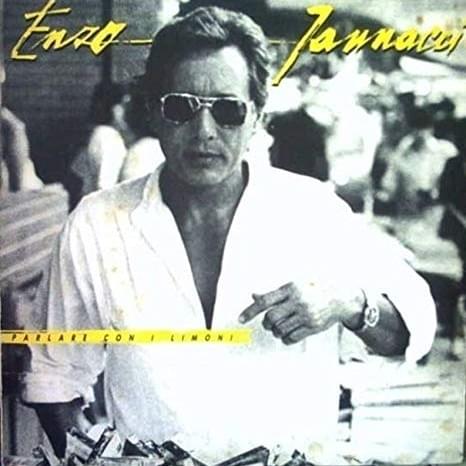
 View Artist