Song Meaning
The lyrics paint a picture of a bleak urban landscape, viewed from a specific vantage point – the railing of a garage overlooking the last patch of grass in the neighborhood. The dominant emotion is a quiet melancholy, a sense of decay and stagnation. The narrator observes a series of mundane, almost pathetic details: a dingy yellow Fiat 500, unwashed laundry hanging out to dry, a construction crane swaying ominously, and dry brush rustling in the rain. These images collectively create a feeling of urban blight and personal neglect.
The central tension arises from the contrast between the narrator's observations and a distant, yet deeply personal, realization. The repeated phrase "Si vede" (It is seen) grounds the listener in the visual details, but the final stanza shifts the focus dramatically. The narrator sees something, even from afar, that confirms a painful truth: "Che non mi vuoi più bene" (That you don't love me anymore). This abrupt emotional turn, stemming from seemingly disconnected visual cues, is the core of the song's impact.
The most striking aspect of the craft is how the lyrics use seemingly random, unappealing imagery to build towards a profound emotional revelation. The "brutta di un colore citrino" (ugly, citrine-colored) car, the "mai lavate" (never washed) clothes, and the man spitting out a cigarette butt all contribute to a mood of disrepair. The narrator questions the well-being of the brush in the rain, "Chissà se le fa male" (Who knows if it hurts it), a moment of empathy that is starkly contrasted with the eventual, unstated pain of lost love. The detail of the umbrella, "Che non è quello che ti ho regalato io" (That isn't the one I gave you), is a subtle but devastating clue, suggesting a relationship's end is marked by small, betraying signs.
Ultimately, the effectiveness of these lyrics lies in their ability to evoke a specific, somber atmosphere and then pivot to a deeply personal heartbreak without explicit explanation. The mundane details of urban decay become a backdrop, almost a mirror, for the narrator's internal state. The quiet, observational tone makes the final declaration of lost love feel earned and devastating, suggesting that sometimes, the most painful truths are seen in the most ordinary, overlooked things.
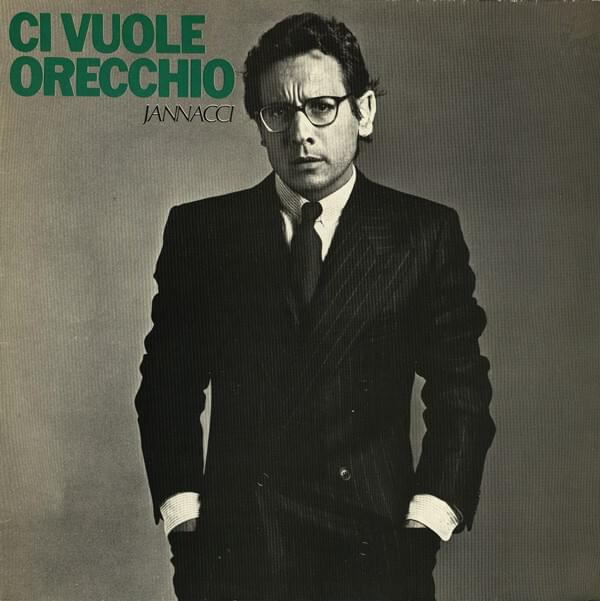
 View Artist