Song Meaning
The lyrics paint a stark, almost dreamlike scene of a father's departure, which quickly shifts from a simple farewell to a profound, irreversible absence. The initial image of watching from the window, a gesture of passive observation, underscores a sense of helplessness. The narrator notes they didn't even wave, highlighting a strange detachment or perhaps an unspoken understanding of the finality of this leaving. This quiet, static moment is juxtaposed with the father's movement away, "going not to return anymore."
The narrative then introduces a jarring disconnect between the father's perceived mission and its devastating reality. He's described as a soldier, told "not to shoot," and that it was "just military service." This downplaying of danger, suggesting a simple "Halt!" would suffice, makes the subsequent revelation of his death all the more tragic. The telegram arrives, announcing a "gold medal for the 'Halt!'" – a bitterly ironic twist that transforms a supposed minor duty into the cause of his demise and posthumous honor.
The lyrics masterfully employ repetition and contrast to build emotional weight. The recurring phrase "La sera che partì mio padre" (The evening my father left) anchors the narrative, framing each subsequent stanza as a consequence or memory tied to that singular event. The contrast between the mundane act of watching him leave and the arrival of news of his death, delivered via telegram, is chilling. The final stanzas shift to the narrator's own future departure, expressing a hope for it to be on Christmas, a time of gathering, to avoid the isolation and misunderstanding they anticipate, suggesting a deep-seated fear of experiencing a similar fate or being misunderstood in their own leaving.
This lyrical construction creates a powerful emotional resonance by focusing on the quiet moments of departure and the sudden, brutal intrusion of loss. The irony of the "gold medal for the 'Halt!'" serves as a sharp, unforgettable image that encapsulates the senselessness of the father's death. The narrator's own anxieties about leaving, colored by this past trauma, suggest a cycle of separation and misunderstanding that the lyrics leave the listener contemplating.
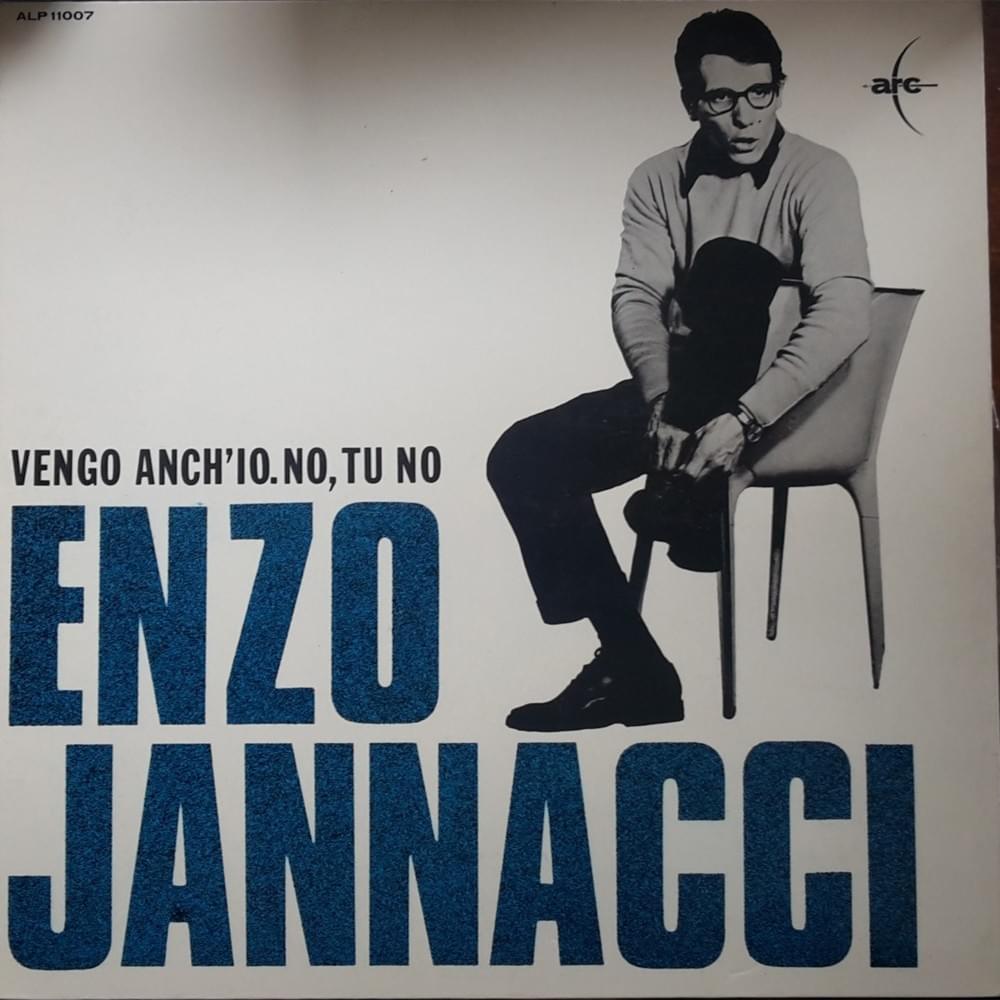
 View Artist