Song Meaning
The lyrics paint a portrait of Gino, a man whose realization of love arrives only with its absence. The narrative opens with Gino understanding his feelings the day she doesn't show up, a moment that triggers a flight response akin to a soldier retreating. This initial image sets a tone of passive suffering; he's not fighting, but rather falling into a slow, inevitable trap. The narrator describes Gino as "fragile" and "without pretense," suggesting a vulnerability that makes him susceptible to a love that feels almost like a civic duty, "the love of the pavement."
This passivity is further emphasized as Gino endures mistreatment, allowing her to "spit in his face" in an act of profound dishonesty. He remains, listening, only to later search for reasons without a voice. The lyrics suggest a transactional, almost dehumanizing relationship, where "too many caresses cost a fortune" and realities are discarded. He witnesses a painful self-destruction, seeing "that man die by himself."
The central tension lies in Gino's fractured understanding of his situation. He "flew into the storm," an act of engagement, yet the lyrics state he "understood and didn't understand." This paradox highlights his internal conflict: he's aware of the damage, the "inhuman contract," but struggles to fully process or escape it. His final act of fleeing occurs when the radio speaks, a seemingly mundane trigger that forces him to run again, reinforcing the idea that any external stimulus can shatter his fragile composure.
What makes these lyrics resonate is their depiction of a quiet, internal collapse. The power isn't in grand gestures, but in the subtle, devastating details: the slow run, the unheard questions, the dying man. The narrator’s careful observation of Gino’s passive suffering and his paradoxical understanding creates a poignant study of emotional paralysis and the quiet desperation of enduring a love that costs everything.
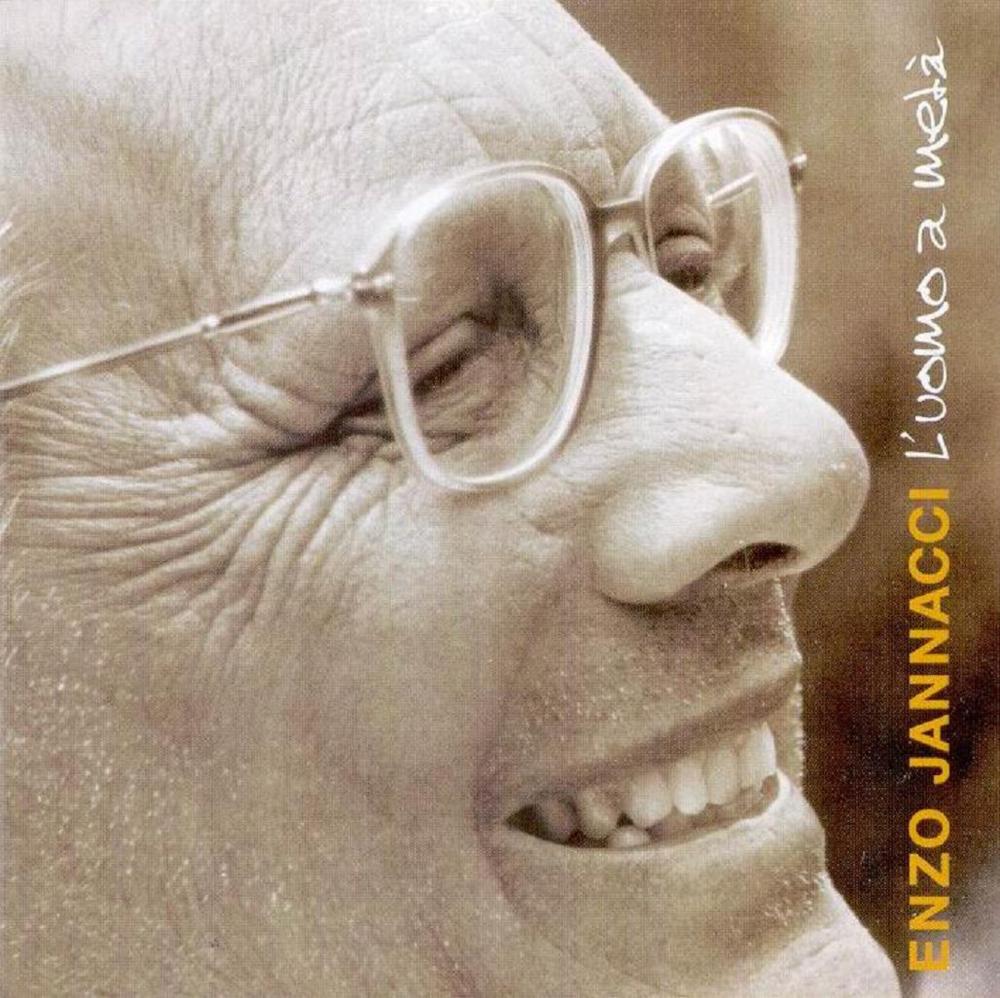
 View Artist