Song Meaning
The lyrics paint a vivid picture of anticipation and longing within the "petite salle du Pacifico," a cantina described as a meeting place for "loups et des toreros." The narrator has arranged to meet Paco there, sketching dreams in ink on a paper tablecloth while their love travels across the city. This sets a scene of patient waiting, a deliberate slowing down of time in hopes of a romantic encounter.
The central tension lies in the narrator's intense desire for Paco, expressed through physical yearning and a wish to "glisser / Entre tes lèvres douces." This desire is contrasted with the need for Paco to take "Tout ton temps," suggesting a delicate dance between urgency and patience. The narrator seems to want to savor the anticipation, even as their heart "bat, qui bat, qui bat."
The recurring image of the "Cuba Libre" is particularly striking. Initially, the narrator wants Paco's mouth like a "verre de Cuba Libre," a sweet, intoxicating drink. Later, they wish to transform into a "grand Cuba Libre" themselves, embodying that same potent, celebratory spirit. This transformation signifies a desire to become the very essence of pleasure and freedom that they associate with Paco and their shared moments.
This lyrical construction is effective because it grounds abstract feelings of love and desire in concrete, sensory details and evocative imagery. The specific setting of the cantina, the act of drawing dreams, and the comparison to a Cuba Libre all contribute to a palpable atmosphere of romantic yearning. The repetition of "je sens" and the frantic "qui bat, qui bat, qui bat" powerfully convey the narrator's emotional state, making the reader feel the intensity of their waiting and Paco's awaited connection.
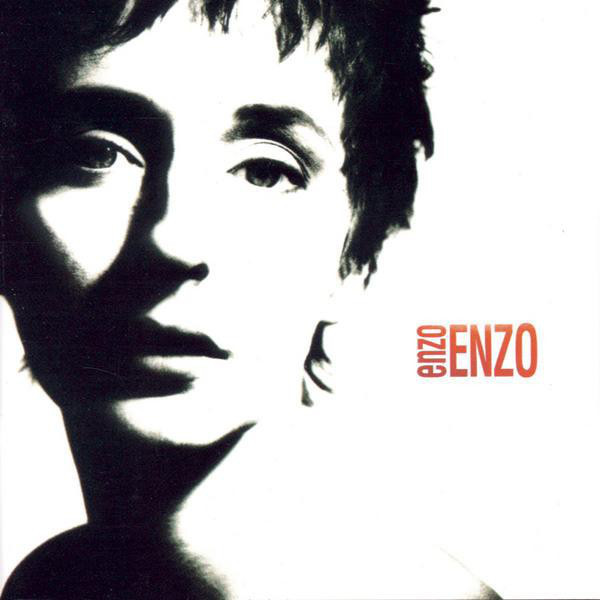
 View Artist