Song Meaning
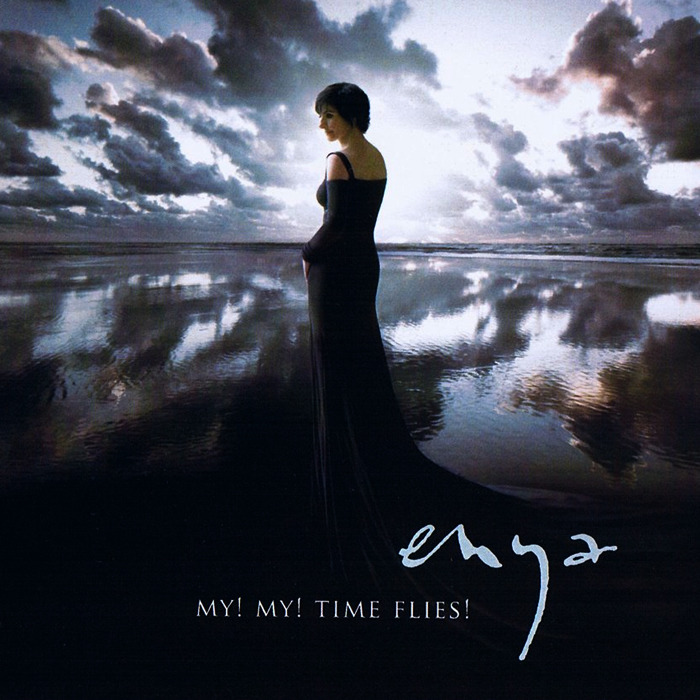
{"song_id": 12446099, "meaning": "Enya's \"My! My! Time Flies!\" isn't just a song; it's a shimmering sonic tapestry woven with threads of nostalgia and wonder. The lyrics, seemingly simple at first glance, serve as a portal into Enya's perception of time as a fluid, almost dreamlike construct. The recurring phrase, \"My! My! Time Flies!\" acts as both an exclamation of awe and a gentle lament for moments slipping away. It's a classic Enya move, using deceptively straightforward language to evoke profound emotional resonance. The song's structure mimics the very concept it explores: a series of fleeting vignettes – a man on the moon, Newton's apple, the Beatles on Abbey Road – each representing a significant cultural or scientific milestone, yet presented as equally ephemeral moments in the grand sweep of history. The placement of Tchaikovsky's \"1812 Overture\" next to lunar landings flattens time, implying all events exist simultaneously in our collective memory. This isn't about historical accuracy; it's about the emotional impact of these shared cultural touchstones.
The song's magic lies in its ability to make the listener feel both insignificant and deeply connected. The 'Da da-de-da' hook is not just filler, but a crucial component, acting as a musical representation of time's relentless, cyclical nature. It's a comforting, almost hypnotic refrain that grounds the listener amidst the swirling images of the verses. The references themselves – from space travel to music history – are carefully chosen to trigger a sense of collective human experience. The mention of 'a king who's still in the news' alongside a 'rap on a rhapsody' highlights the enduring power of both tradition and innovation. Enya is subtly suggesting that time doesn't erase; it layers, creating a rich and complex palimpsest of human achievement and experience.
Ultimately, \"My! My! Time Flies!\" is a meditation on impermanence and the enduring power of memory. The final verse, with its imagery of a winter sleigh and the promise of a new day, offers a glimmer of hope amidst the acknowledgment of time's relentless march. The closing lines, 'Could be we step out again / Could be tomorrow, but then / Could be 2010,' are particularly poignant. They underscore the unpredictable nature of time and the possibility of revisiting the past, either literally or through the lens of memory. The song’s meaning isn't confined to any single interpretation; it’s an invitation to reflect on our own relationship with time, memory, and the ever-changing landscape of human experience."}
 View Artist