Song Meaning
Enya's "Isobella" isn't just a song; it's a sonic balm, a linguistic embrace, and a haunting meditation on life, death, and enduring love. Though the lyrics are primarily in Gaelic, the emotional resonance transcends any language barrier. The repetition of "I do bheatha sa tús, sa deireadh" (loosely translated to 'your life, in the beginning, in the end') frames the song as a cyclical journey, a poignant reminder of life's ephemeral nature and the comforting certainty of its ultimate conclusion. The name 'Isobella' itself, repeated like a mantra, adds a layer of personal intimacy, perhaps evoking a specific person or a universal archetype of feminine strength and grace. This is no mere lullaby; it's a sophisticated reflection on existence.
The verses, though brief, amplify this sense of tender benediction. Phrases like "I do lá 's tú go sámh" ('your day, you are peaceful') and "I do lá 's tú go fíor" ('your day, you are true') paint a picture of serenity and authenticity. The recurring line "Grá anois go deo na ndeor" ('Love now forever of tears') acknowledges the bittersweet nature of love – its joy intertwined with inevitable sorrow. The song doesn't shy away from the pain inherent in the human experience; instead, it cradles it with compassion, suggesting that even in tears, love remains a constant, unwavering force.
Ultimately, "Isobella" functions as a sonic sanctuary. Its ethereal harmonies and gentle instrumentation create a space for contemplation, inviting listeners to reflect on their own lives, loves, and losses. The song's meaning isn't confined to a literal interpretation of its lyrics; it lies in its ability to evoke a deep sense of peace and acceptance, reminding us that even amidst life's inevitable sorrows, love and beauty endure. It's a testament to Enya's unique ability to create music that transcends the temporal, tapping into the universal wellspring of human emotion.
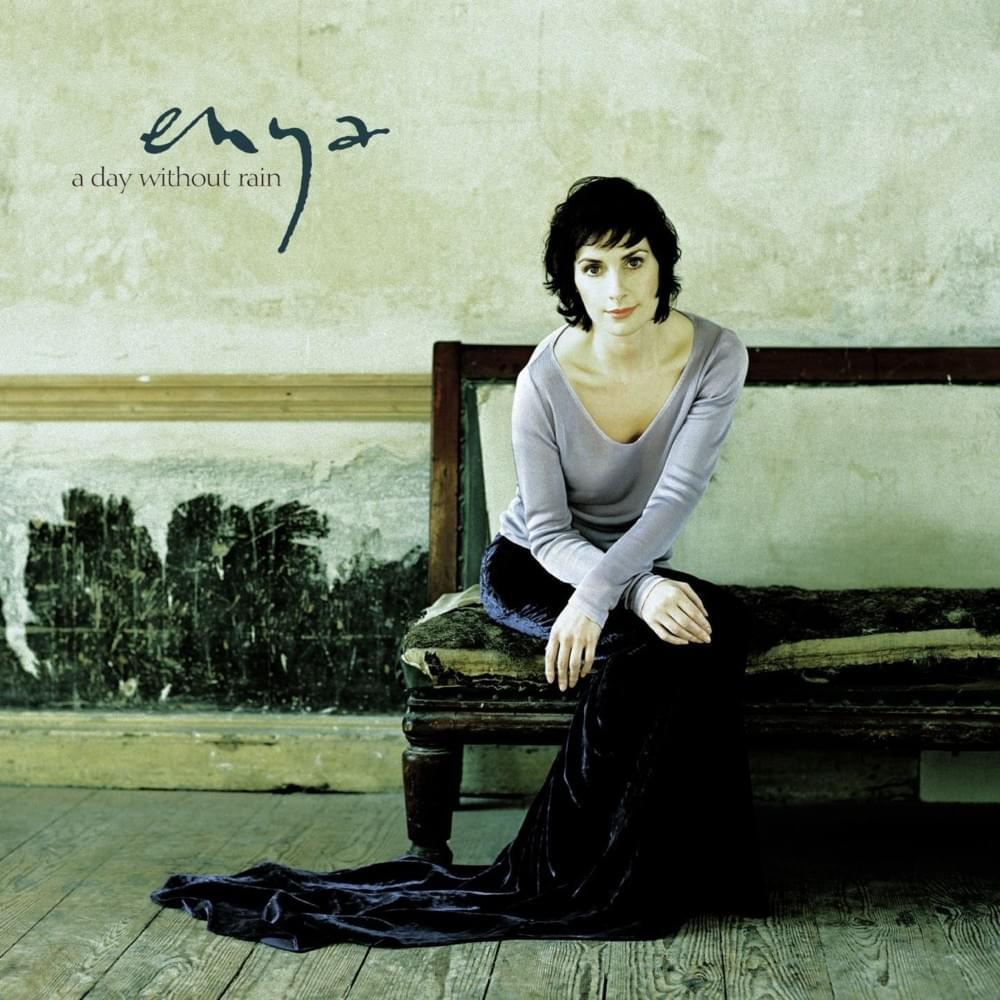
 View Artist