Song Meaning
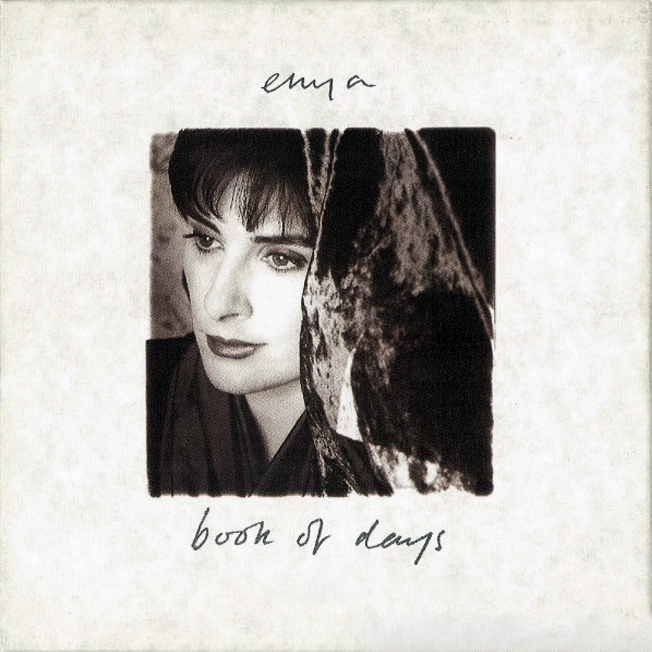
Enya's "Book of Days (Gaelic version)" isn't just a song; it's an auditory portal, a sonic meditation on time, journey, and the stories we carry within us. Sung in Gaelic, even listeners unfamiliar with the language can intuit the song's core themes. The repetition of "Ó lá go lá, mo thuras / Ó oíche go hoíche, mo thuras" (From day to day, my journey / From night to night, my journey) anchors the piece in a cyclical sense of movement, both physical and spiritual. It evokes the feeling of a pilgrimage, a continuous quest where each day and night brings new experiences and reflections. The "bealach fada romham" (the long road ahead) speaks to the vastness of this journey, not just in terms of distance, but also in terms of the personal growth and transformation it entails.
The real genius of "Book of Days" lies in its emotional resonance. Enya's ethereal vocals, combined with the song's layered instrumentation, create an atmosphere of both longing and hope. The "scéalta nach mbeidh a choích" (the stories that will never be) are particularly evocative. These could be interpreted as lost opportunities, unfulfilled dreams, or simply the ephemeral nature of memory itself. There’s a bittersweet quality to this realization, a sense of acceptance that allows the listener to find peace in the face of impermanence. The song acknowledges the weight of the past while simultaneously urging us to embrace the present moment and the possibilities of the future.
Ultimately, "Book of Days (Gaelic version)" transcends simple lyrics analysis. It functions as a powerful symbol of the human condition. The song's cyclical structure and evocative imagery tap into our collective unconscious, reminding us of the universal themes of time, journey, and the stories that shape who we are. Enya doesn't offer easy answers or resolutions. Instead, she provides a space for reflection, inviting us to contemplate our own journeys and the narratives that define our lives.
 View Artist