Song Meaning
The lyrics paint a visceral picture of simmering rage and a desire for retribution. The narrator is counting down "31 days to wreck your plastic face," immediately establishing a tone of impending, calculated vengeance. There's a deep-seated disgust with the target, described as part of a "disgrace" and a "race" that the narrator once associated with, suggesting a betrayal or disillusionment. The repeated phrase "You're the same, you're the same as the next one" highlights a profound cynicism and a feeling of being wronged by a type of person, not just an individual.
The central tension lies in the narrator's internal struggle versus their outward projection of control. They ask, "Does it smile and say 'I'm okay'?" while acknowledging "blood on your face," implying a facade of well-being that masks a violent intent. This internal conflict is further amplified by the "Dr. Jeckyl and Mr. Hyde" reference, suggesting a duality where a more composed persona (Jeckyl) is absent, leaving the destructive Mr. Hyde to enact revenge. The desire for "black and blues" is a raw, physical manifestation of this pent-up aggression.
The craft here is in the stark, unflinching imagery and the relentless repetition. The "plastic face" is a dehumanizing descriptor, contrasting sharply with the visceral "blood on your face" and the desired "black and blues." The countdown of "31 days" and "31 ways" creates a sense of obsessive planning, making the eventual confrontation feel inevitable and deeply personal. The narrator’s taunt, "Oh, you think you've got me now," coupled with the image of the target's "blood drops" and "swollen" state, flips the power dynamic, showing the narrator is not the victim but the orchestrator of this violent outcome.
What makes these lyrics hit so hard is their directness and the raw emotional honesty, even in its ugliness. The narrator isn't seeking understanding; they're seeking a physical reckoning. The lyrics bypass complex metaphors for a blunt, almost primal expression of hurt turned into a desire for inflicting pain. It’s the stark contrast between the seemingly calm, counted-down approach and the violent outcome that creates such a potent, unsettling effect.
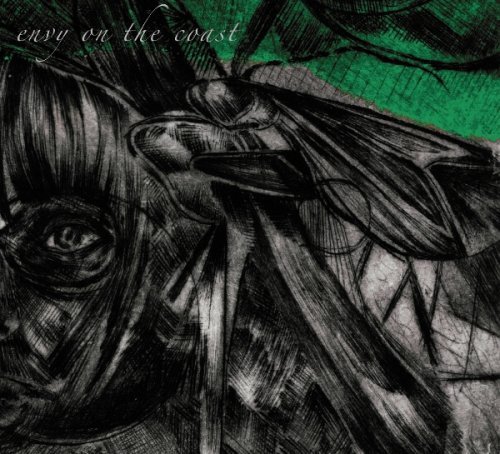
 View Artist