Song Meaning
The lyrics paint a picture of a vibrant May, a time of "love" and "party," initially associated with pleasant imagery like the sun rising and a boat from "Istanbul." This idealized May is presented as a time of natural beauty, where flowers are called forth and singing is natural, especially "after the wheat." There's a sense of longing for this idealized time, with the narrator wishing to be with a "friend" and lamenting its absence, asking "Who painted you? Who broke your spell?"
The central tension arises as the idyllic vision of May is disrupted by a darker, more confrontational reality. The narrator questions who "broke your spell" and "never loved you," suggesting a loss of innocence or corruption of this perfect month. This shift is underscored by the introduction of struggle, with lines like "Let's fight" and "the crowd broke through." The "king shepherd" who "sells the serum of life / That kills the pain" introduces an element of societal critique, hinting at a corrupt authority or a false remedy for suffering.
The most striking craft element is the juxtaposition of the gentle, almost pastoral imagery of May with the sudden eruption of conflict and disillusionment. The repeated phrase "Que a voz não te esmoreça" (May your voice not falter) acts as an anthem of resilience amidst this turmoil. It’s a call to maintain spirit and voice, even as the "fury of the sea" and the "crowd" threaten to overwhelm. This contrast between the initial beauty and the subsequent struggle creates a powerful emotional arc.
These lyrics resonate because they capture a universal feeling of disillusionment – the moment when a cherished ideal is confronted by harsh reality. The writing effectively uses the metaphor of May, a month traditionally associated with renewal and joy, to explore themes of lost innocence and the necessity of struggle. The persistent call to keep one's voice strong, even when facing overwhelming forces, provides a defiant and ultimately hopeful undercurrent to the narrative.
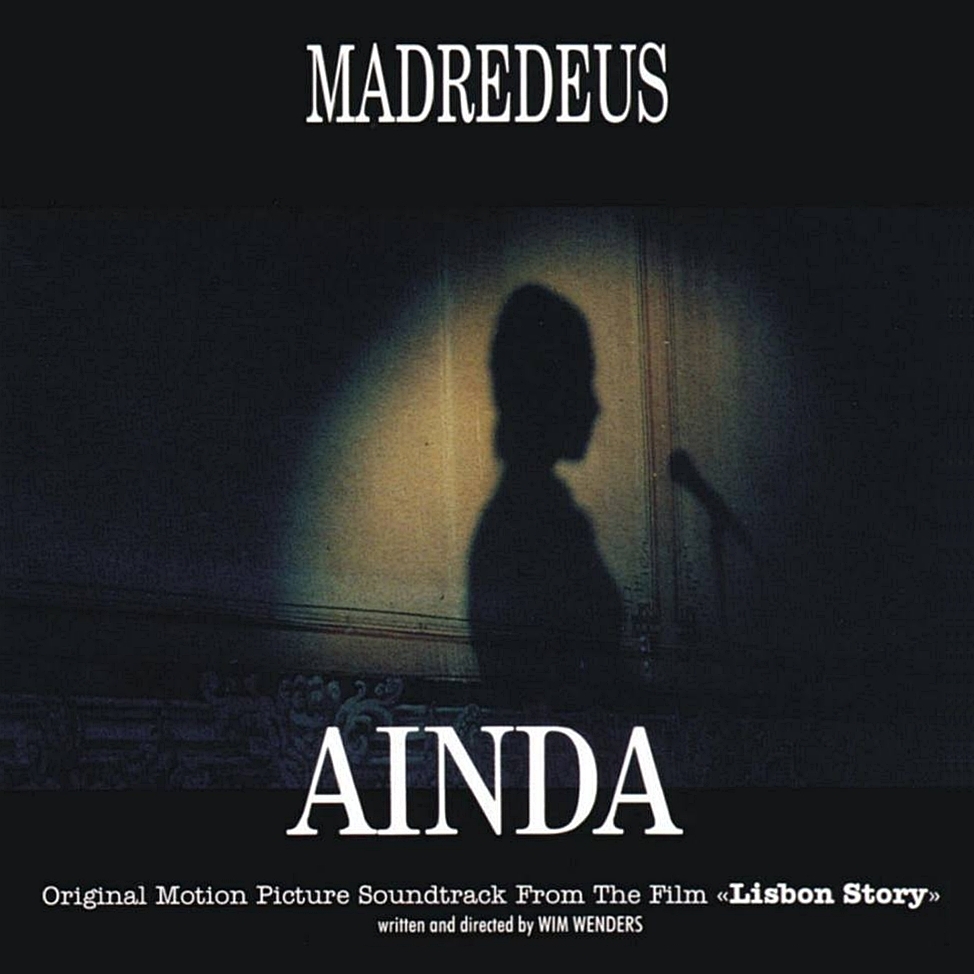
 View Artist