Song Meaning
The lyrics paint a stark, bleak picture of existence after a metaphorical or literal end. The repeated phrase "When life has ceased" immediately sets a tone of finality and decay, suggesting a world where vitality is gone. The opening lines present a grim imperative: "we must turn away" and "cease thy own" life, implying a forced surrender or a grim necessity to abandon all that was. This isn't a gentle fading, but a harsh confrontation with oblivion.
The central tension arises from the contrast between a perceived "grave" and a false hope of "heaven." The narrator describes people "living in a grave, where their eyes are filled with mold," a visceral image of stagnation and corruption. This is juxtaposed with "Lies of heaven is the fantasy you dwell," suggesting that any belief in an afterlife or a better future is a delusion. The "desert hell" reinforces this sense of barrenness and suffering, a place where the "mind is weak as it roams."
The most striking craft element is the relentless repetition of "Lies of heaven is the fantasy you dwell" and the imagery of the "desert hell." This creates a suffocating, inescapable atmosphere. The "vested war machines" hint at a cause for this desolation, a destructive force behind the "demolition has begun." The lyrics don't offer comfort, only the chilling observation that even in the face of utter ruin, people cling to false hopes.
This piece is effective because it forces the listener to confront a profound sense of despair and disillusionment without offering any easy answers. The stark, unadorned language and the focus on decay and false comfort create a powerful, unsettling mood. The "pain when life has ceased" is not just about death, but about the hollow existence that might follow, or the realization that one's perceived reality was a lie all along.
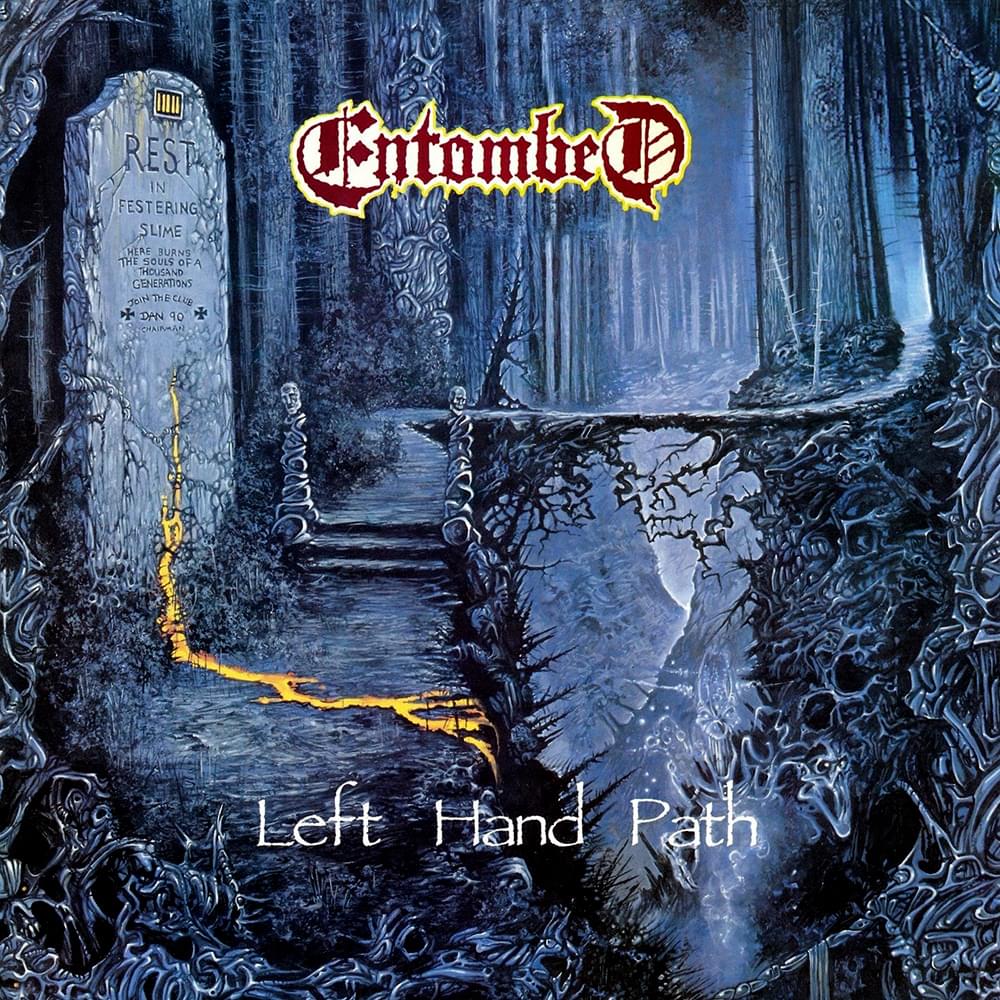
 View Artist