Song Meaning
The lyrics paint a bleak picture of a place where individuals feel trapped by predetermined failure and repetitive, uninspired existence. The opening lines immediately establish a sense of fatalism, suggesting a life where being "wrong" is an inevitability, leading to a monotonous cycle of "same old bullshit" and "same old song." This sets a tone of weary resignation, hinting at a deep-seated frustration with a lack of progress or change.
This feeling of stagnation is amplified by the recurring imagery of "familiar patterns" and "familiar hosts," which create a sense of inescapable routine. The city is described as being populated by "sideshow ghosts," a striking metaphor that suggests people are present but lack substance or genuine connection, perhaps existing as mere spectacles or hollow figures. This creates a central tension between the physical presence of a crowd and the emotional emptiness or alienation experienced within it.
The most potent aspect of the writing is the stark contrast between the physical "city" and the spectral inhabitants. The narrator calls it a "city of refugees," all in "fatigue," directly linking the inhabitants' state to a sense of displacement and exhaustion. This is then immediately undercut by the accusation, "You're all bullshit / Of the same old league," reinforcing the idea that even those seeking refuge are part of the same uninspired, repetitive cycle they might be fleeing. The repetition of "familiar patterns" and "familiar hosts" hammers home the inescapable nature of this environment.
The effectiveness of these lyrics lies in their blunt, almost aggressive honesty. The repeated use of "bullshit" and the stark, unflattering imagery of "sideshow ghosts" and "refugees" in "fatigue" create a visceral sense of disillusionment. It's not just about being sad; it's about being surrounded by a crowd that feels both overwhelming and utterly devoid of genuine life, making the isolation within the city feel profound and suffocating.
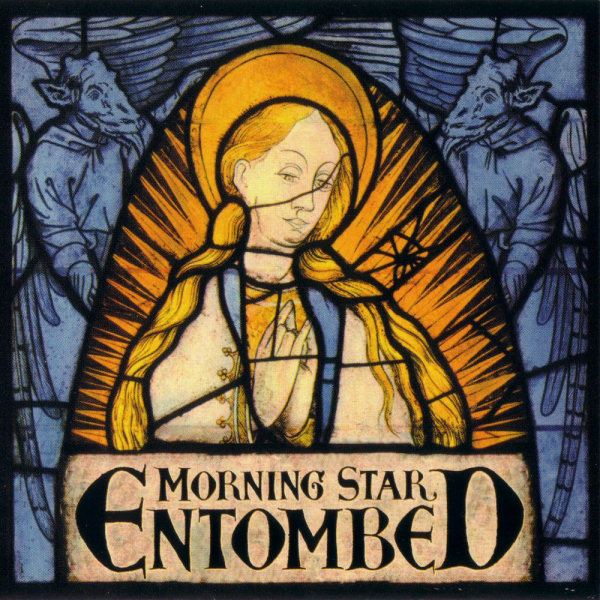
 View Artist