Song Meaning
The lyrics paint a stark picture of someone emerging from a state of passive observation, marked by a sense of dread towards the "violence of morning." This initial phase is characterized by a feeling of emptiness, "waiting for nothing," and a destructive internal process that "grind[s] the heart." The narrator seems to exist in a liminal space, both part of the "darkness" and sensing an approaching, perhaps harsh, new beginning.
Despite the bleakness, a profound shift occurs. The narrator discovers unexpected solace within destruction and hardship. The "burning fields," "slaughtered flesh," and "frozen seeds" are not just images of devastation but sources of "good things," "peace," and "life." This suggests a radical re-framing of suffering, where resilience and potential are found in the most desolate circumstances.
The central tension lies in the contrast between the narrator's past passivity and a newfound, albeit complex, hope. The "violet dawn" becomes a powerful, almost sacred, beacon. It's a distant, alluring promise that the narrator feels compelled to "steal its light," indicating a desire to actively claim this emerging hope rather than passively endure it.
The repeated phrase "I'll wait for you here" anchors the song in a profound, unresolved anticipation. This repetition, especially after the imagery of active seeking and stealing light, creates a poignant paradox. It suggests that even with the promise of a "violet dawn," the narrator's ultimate focus remains on a specific, perhaps elusive, presence, grounding the abstract hope in a deeply personal and patient longing.
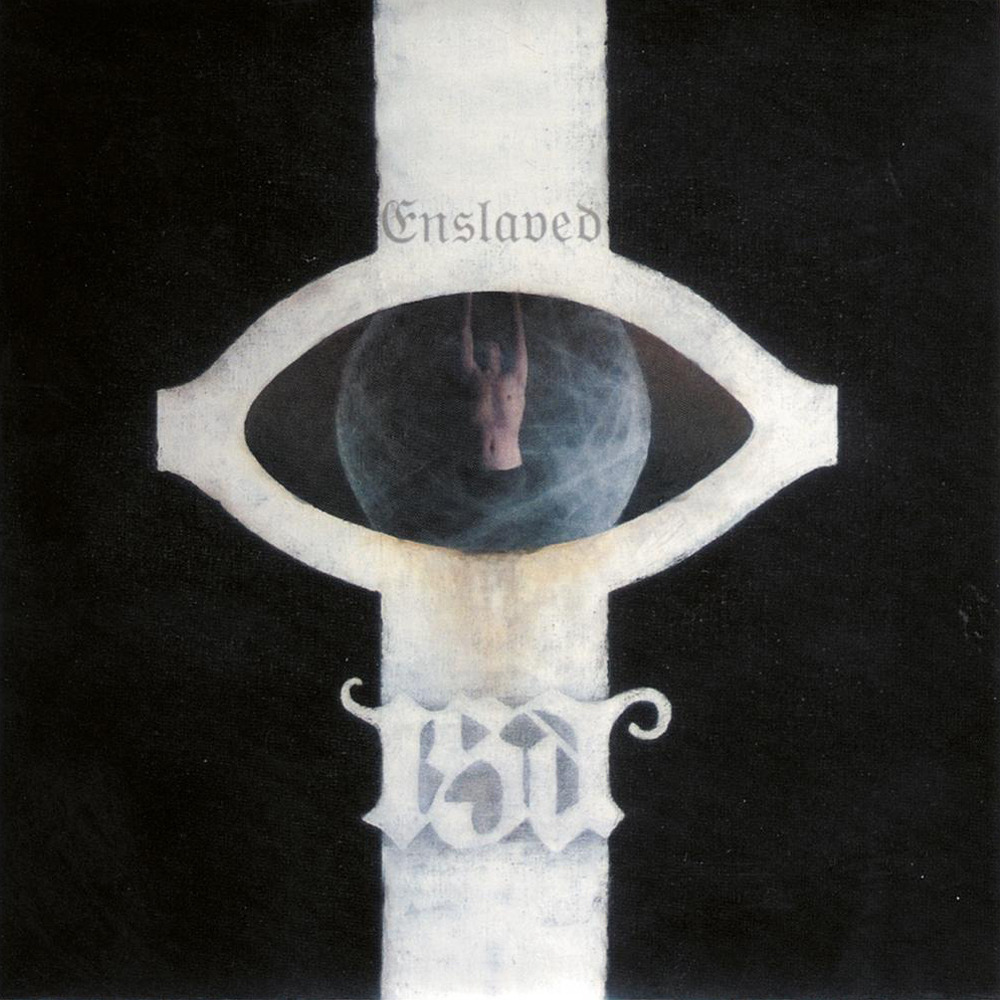
 View Artist