Song Meaning
The lyrics paint a grim picture of a community or individual trapped in a cycle of self-destruction and hypocrisy. The opening lines, "Buskapen åt hyrden / Og svalt smilande i hjel," immediately establish a tone of passive, almost cheerful demise, where even the shepherd's flock succumbs to starvation with a "smiling" resignation. This sets the stage for a deeper critique of societal or personal failings, suggesting a widespread, unacknowledged decay.
The central tension arises from the stark contrast between outward piety and inner corruption. The narrator observes a disturbing inversion of natural and moral order: "Du elsa din neste / Og åt di eiga mor." This is further amplified by the paradoxical state of being "Herre i eigne lenker," a ruler bound by their own chains. The imagery of freezing while looking at the sun and being "Hakka til blods i gyldne bur" suggests a torment that is both self-inflicted and inescapable, a gilded cage that offers no true solace or freedom.
The most striking element is the concept of being "Kvalt i kysk høgsong," choked by chaste high songs. This phrase encapsulates the suffocating nature of a rigid, perhaps false, moral or religious doctrine that leads to destruction rather than salvation. The act of kissing the hand that kills one's own brother underscores a profound betrayal and a disturbing acceptance of violence and death, all under the guise of purity or righteousness. The repeated "Vaer du sikker" followed by a promise to "alltid håna deg" reveals a deep-seated contempt and a desire to mock the very system or person responsible for this suffering.
Ultimately, the lyrics derive their power from this unflinching depiction of spiritual and physical starvation, masked by hollow pronouncements and self-imposed limitations. The final lines, "Me lo då Ormgard brann," deliver a chilling punchline: the destruction of "Ormgard" – a place or entity – is met not with sorrow, but with laughter. This suggests a perverse satisfaction in witnessing the downfall of a corrupt system, or perhaps a collective madness where the end of suffering is only found in its ultimate, fiery conclusion. The narrator's final admonition, "Tenk nøye etter / Kva du har skapt," serves as a bitter, ironic warning to the doomed, highlighting the tragic consequences of their actions and beliefs.
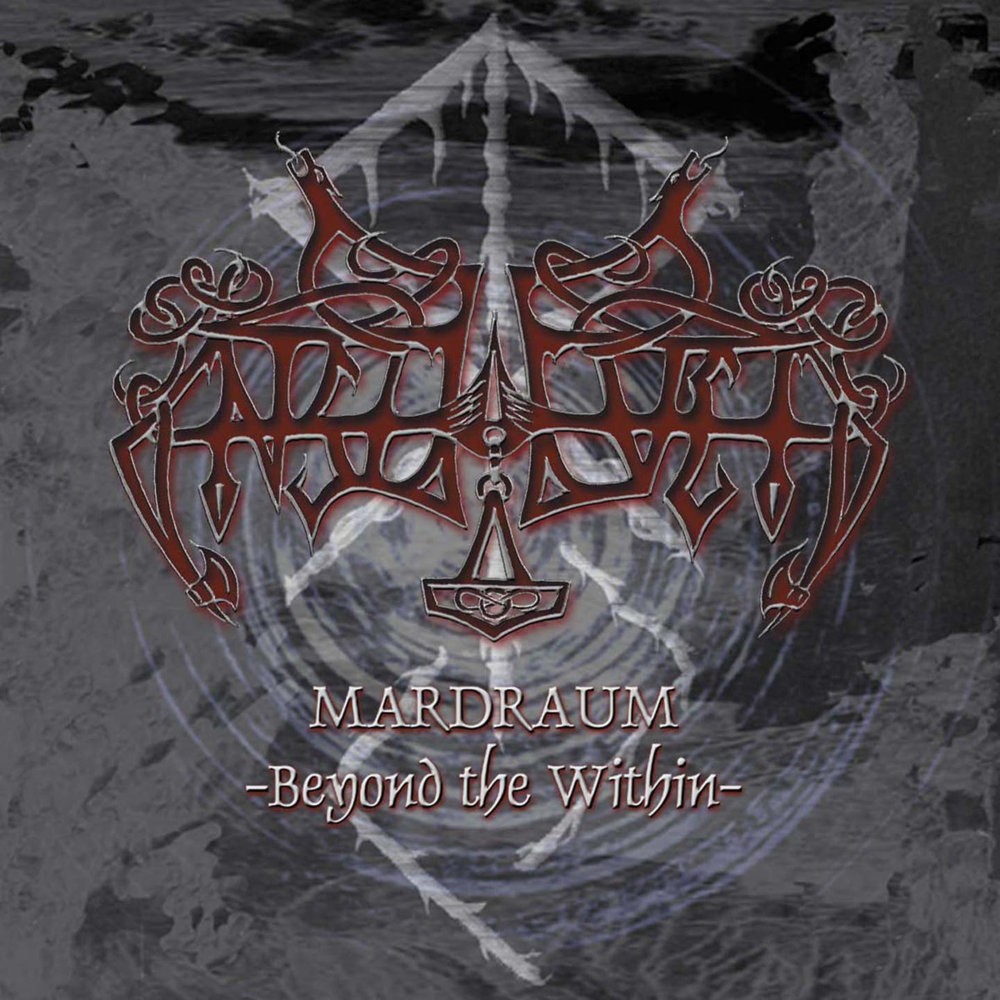
 View Artist