Song Meaning
The lyrics paint a vivid, almost apocalyptic scene, invoking a sense of ancient power and impending change. There's a feeling of divine or ancestral connection, with "Heimfarinn til okkur Guðs ættingar" suggesting a return or visitation from god-kin. This sets a tone of awe mixed with a touch of foreboding, as "Miðgarðs eldar" (Midgard's fires) and "gamlitimins" (old time's) hint at a primal, perhaps destructive, force.
The central tension seems to lie in the contrast between the mundane "Bústaðarmenn" (house dwellers) moving "eins og kuikindi" (like insects) and the monumental, mythic imagery that follows. The swift, almost insignificant movement of people across the land is juxtaposed with the powerful symbols of Norse mythology: "Mjöllnir sveiflast" (Mjolnir swings), "þrumur og eldingar" (thunder and lightning), and the iconic "Vikingars einkamerki úlfar / Og krummar" (Vikings' emblems wolves / And ravens) guarding a throne. This creates a sense of the smallness of human existence against the backdrop of cosmic or legendary events.
The most striking craft element is the potent, almost overwhelming, use of mythological and natural imagery to convey a sense of destiny and power. The specific mention of Mjolnir, thunder, lightning, wolves, and ravens isn't just decorative; it grounds the scene in a rich cultural context, suggesting a moment of profound significance or judgment. The final image of these powerful emblems "Vakta yfir hásæti" (guarding over the throne) implies a transfer of power or a sacred vigil, leaving the listener with a feeling of immense, unseen forces at play.
This writing is effective because it taps into primal fears and a sense of epic grandeur without explicitly stating a narrative. The evocative language and potent symbols create a powerful atmosphere that resonates on a visceral level. It allows the listener to project their own interpretations onto this scene of ancient powers and earthly movements, making the experience deeply personal and impactful.
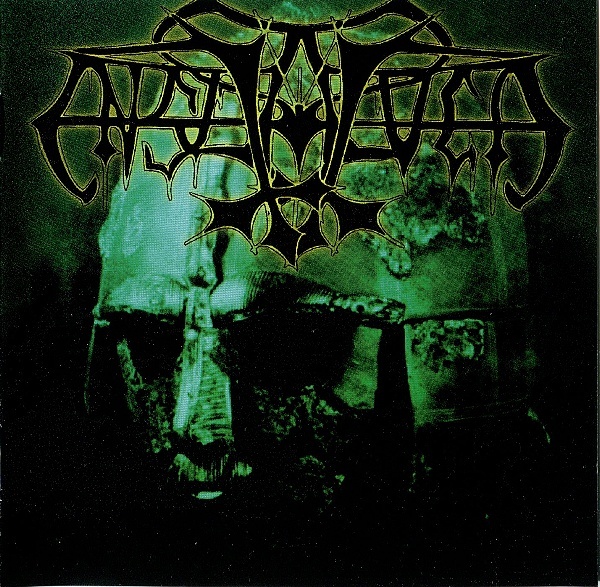
 View Artist