Song Meaning
These lyrics open with a stark, almost cosmic vision of "The ultimate blue," described as both alien and promising. It immediately plunges the listener into a vast, ancient landscape where colors shift and what "white was black." This sets a tone of grand, cyclical change and deep historical memory.
The central tension emerges from the contrast between these immense, indifferent cycles and human perception. The lyrics suggest a blindness, where "the fool sees / Only stone" even as mountains are moved by unseen forces. This limited view extends to self-imposed limitations, as the narrator observes a "clinging to / Chains that don't exist," highlighting a profound human tendency to bind oneself unnecessarily.
The repeated refrain, "In circles go the kingdoms / From other to one go we," acts as a rhythmic anchor, underscoring the inescapable nature of these grand, unifying cycles. This cyclical movement, from one state to another, appears to be an inherent law of existence. The poignant question, "Why not live / Without them?" cuts through the abstract observations, offering a brief, sharp moment of yearning for freedom from these self-forged constraints.
The piece culminates with a chilling return to "The ultimate blue," now framing a "merciless mother" who will "caress us / With end-of-days / Fire clouds." This deeply ironic imagery is a powerful gut punch, transforming the promise of the opening into an apocalyptic inevitability. It's a bleak, beautiful vision of ultimate destruction delivered with a perverse tenderness, suggesting that the end, too, is just another part of the grand, indifferent cycle.
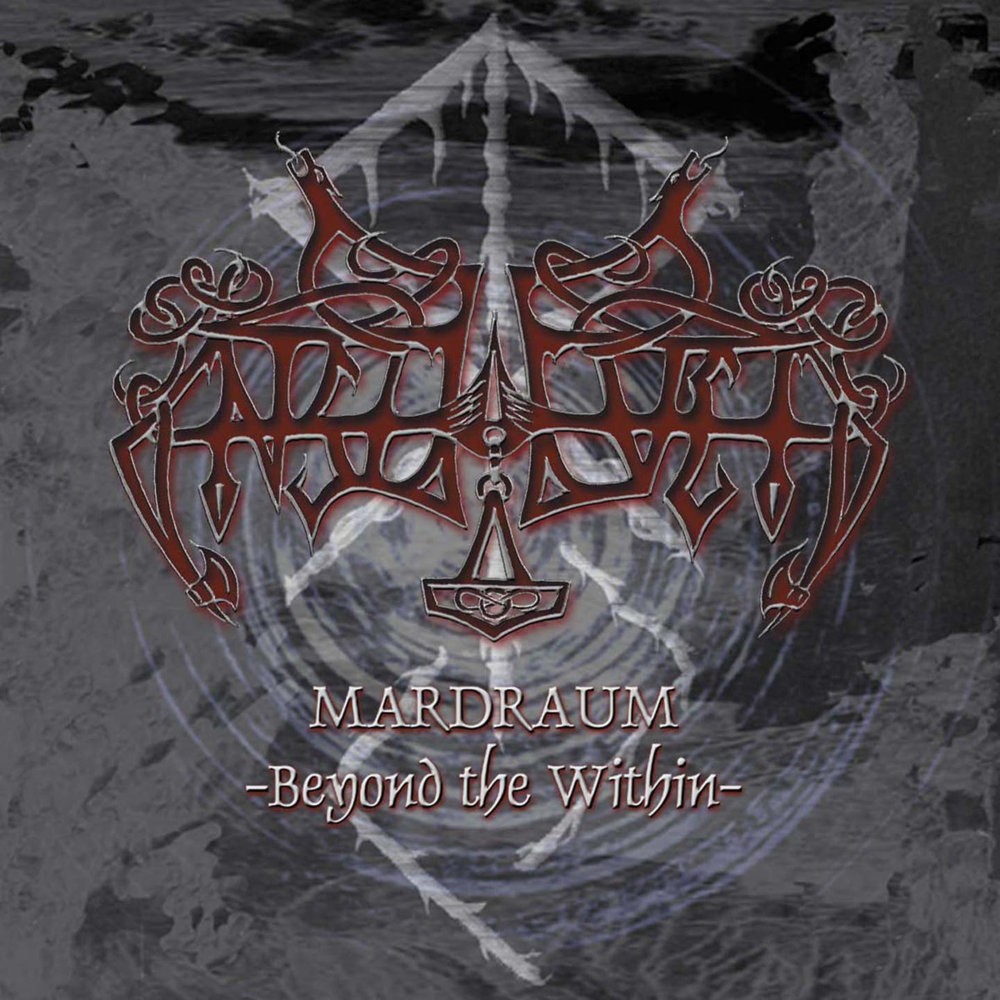
 View Artist