Song Meaning
The narrator tunes into the songs of children playing in a circle, hearing echoes of old rhythms. These aren't just simple playground chants; they seem to carry a deeper, almost ancient weight. The lyrics describe the children pouring their dreaming souls into their games, much like water flowing into stone fountains. This imagery sets up a poignant contrast between the innocent act of play and the profound, perhaps melancholic, essence being expressed.
The central tension lies in the duality of the children's expressions. Their laughter is described as 'eternal' but 'not happy,' and their tears are 'old' but 'not bitter.' This paradox suggests a performance of emotion rather than genuine, immediate feeling. The songs they sing carry 'sadness,' specifically 'sadness of loves' from 'old legends,' hinting at a transmitted, inherited sorrow rather than a personal one.
The most striking craft element is the persistent comparison of the children's songs and emotions to water. Water 'pours its soul,' 'pours its waters,' and the songs carry 'confused history' and 'clear sorrow' just as water carries 'its tale' of 'old loves that are never told.' This recurring motif of water, fluid yet ancient and capable of carving stone, powerfully conveys the idea of deep, unspoken emotions flowing through generations, even through the seemingly simple act of children's play.
These lyrics resonate because they capture a subtle, almost uncanny phenomenon: the way deep emotional currents can surface in unexpected places. The writing doesn't force a narrative but presents a series of evocative images and contradictions. The effect is a quiet, lingering sense of inherited melancholy, a feeling that the past, with its untold stories and ancient loves, is always present, even in the fleeting moments of childhood joy.
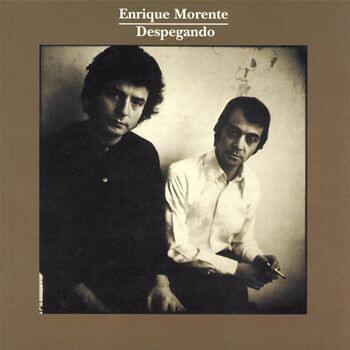
 View Artist