Song Meaning
At the dinner table, the narrator is consumed by thoughts of a beloved, to the point where the "fatiguitas" (little fatigues or weariness) "ajogaban" (drown or suffocate) them. This isn't just a casual longing; it's an overwhelming, almost physical ache that interrupts simple daily rituals. The scene is set with a domestic, commonplace image – being called to eat – but immediately contrasts it with the internal turmoil of the narrator.
The core tension lies in the narrator's intense, fiery passion, expressed through the striking metaphor, "Mis suspiros son de fuego" (My sighs are of fire). They warn the object of their affection, "Quítate de la ventana" (Move away from the window), because these passionate sighs could "abrasar" (burn or scorch) them. This suggests a love so potent it's dangerous, a force that demands distance for safety, highlighting the overwhelming and potentially destructive nature of their feelings.
The lyrics paint a picture of a beloved who is both cherished and perhaps a bit enigmatic. The narrator buys them combs, yet they are found "despeinaíta" (disheveled), a small, endearing contradiction. Later, a direct address asks, "¿Con qué te lavas la cara / Que tanto te huele a flores?" (What do you wash your face with / That it smells so much of flowers?). This question, while seemingly simple, elevates the beloved, suggesting an almost ethereal quality, as if their very essence is fragrant and precious, worth more than "millones" (millions) or the "claveles grana" (scarlet carnations) adorning balconies.
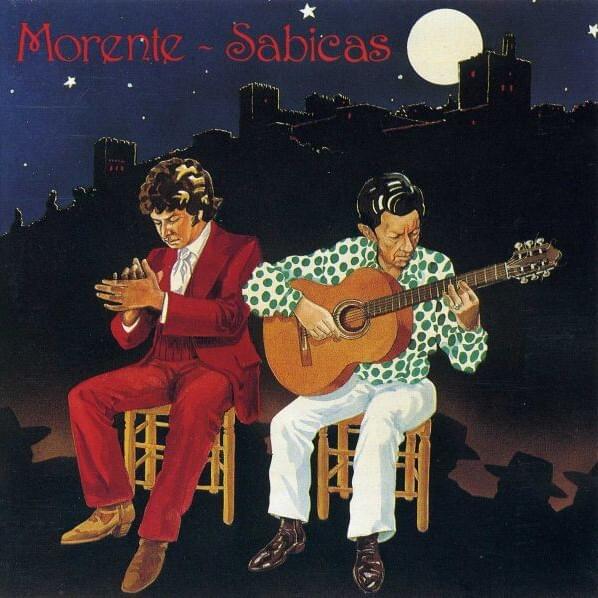
 View Artist