Song Meaning
The lyrics present a series of contemplative images, starting with "El agua ensimismada" – water lost in thought. This sets a tone of introspective stillness, questioning whether elements of nature, like the leaning tree seeking its roots or the distant, untouched fire, are actively thinking or merely dreaming. The scene is one of profound, quiet observation, inviting the listener to ponder the inner lives of inanimate or elemental things.
The central tension arises from the transformation of materials and the implied loss of their former states. Marble once was a bird, gold was flame, crystal was air or a tear. The lyrics pose a poignant question: do these transformed substances "Lloran su perdido aliento?" – weep for their lost breath or essence? This suggests a deep melancholy, a sense of mourning for what has been, even in the permanence of stone or metal.
The most striking aspect is the philosophical inquiry into memory and self-perception. The narrator wonders if these materials "son memoria de sí mismos / Y detenidos se contemplan ya para siempre?" – are they memory of themselves, forever contemplating their arrested state? This elevates the imagery from simple observation to a profound meditation on existence, identity, and the nature of being, especially when contrasted with the final, direct question: "Si tú te miras, ¿qué queda?" – If you look at yourself, what remains?
This lyrical passage achieves its impact through a series of evocative, almost surreal juxtapositions and direct philosophical questions. The gentle, almost melancholic tone, combined with the profound existential queries about memory and self, creates a powerful sense of wonder and introspection. It forces a consideration of our own perceived permanence and the essence of our being, mirroring the contemplation of the transformed elements.
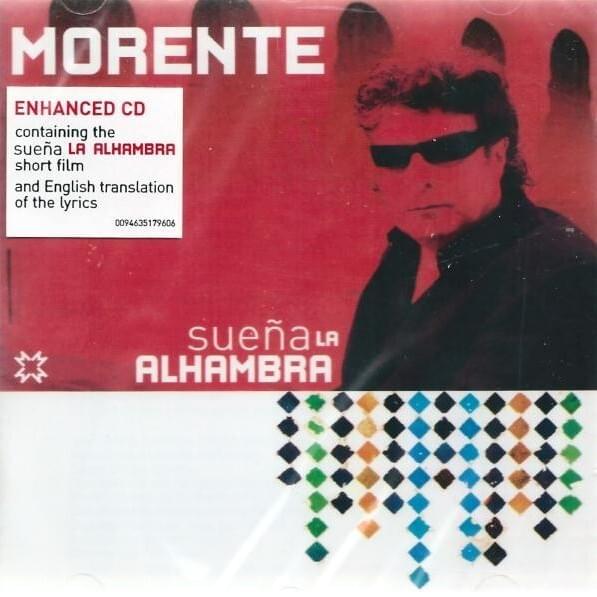
 View Artist