Song Meaning
The narrator is asking for help, specifically to draw a rose, because they feel alone and unable to capture its beauty. This plea sets a tone of vulnerability and longing right from the start. The imagery of the rose suggests something precious and perhaps unattainable, something the narrator desperately wants to create but lacks the skill or companionship to achieve.
The lyrics then shift to describe an overwhelming brightness, so potent that it spills from a window and causes the neighborhood to exclaim, "The moon is out in the street!" This hyperbole paints a picture of an almost supernatural radiance, likely associated with the person the narrator longs for or the idealized vision of the rose itself. The contrast between the narrator's solitary struggle and this external, luminous force creates a central tension.
The final lines, "Que mandiló, mandiló / Que de cabeza a cabeza / Que yo me meto al pilón," introduce a more abstract and perhaps playful element. The repetition of "mandiló" and the phrase "de cabeza a cabeza" (head to head) could suggest a passionate, all-consuming desire or a dizzying infatuation. The narrator's declaration to "get into the washbasin" ("me meto al pilón") might imply a willingness to immerse themselves completely in this feeling or situation, even if it's overwhelming or nonsensical.
This song's effectiveness lies in its blend of simple, direct requests and vivid, almost magical descriptions. The narrator's initial isolation and desire for help are juxtaposed with an external force of overwhelming light and a descent into a state of headlong immersion. It captures a feeling of being captivated by something beautiful and powerful, to the point of losing oneself in it.
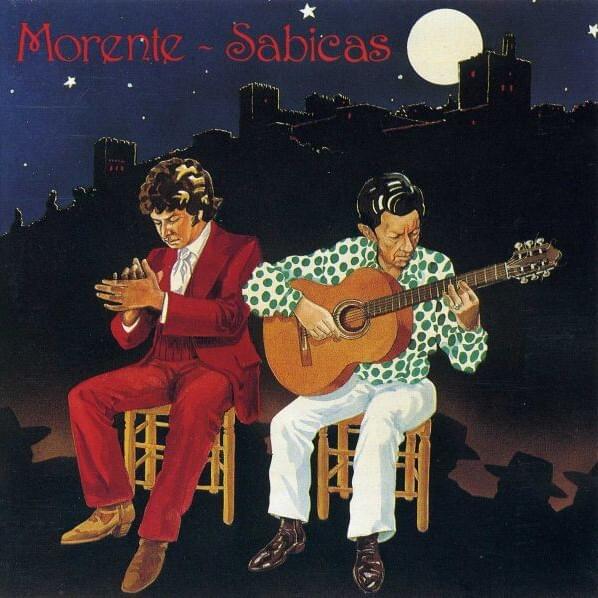
 View Artist