Song Meaning
The lyrics paint a vivid, almost tactile picture of morning in nature, focusing on the awakening of flowers. The opening lines, "Mare llevame a los campos / Con la luz de la mañana," establish a yearning for a specific, almost sacred, natural setting. This isn't just a passive observation; there's a desire to witness the "abrirse las flores / Cuando se mecen las ramas," suggesting a deep connection to the cycles of growth and gentle movement.
The central image is the rose, described with striking intensity: "tan roja / De sangre tierna que el rocio se alejaba / Y tan caliente sobre el tallo / Que la brisa se quemaba." This isn't a gentle bloom; it's a powerful, almost violent, emergence. The redness is compared to "sangre tierna," and the heat is so potent it "quemaba" the breeze, imbuing the flower with a fierce, almost dangerous, vitality. The repetition of "Abierta estaba" emphasizes this state of full, uninhibited revelation.
The lyrics then broaden to a more abstract, yet still sensory, contemplation of floral communication. "Ay mil flores / Dicen mil cosas / Ay para mil enamoradas," suggests that nature holds a vast, unspoken language, particularly resonant for those in love. This is contrasted with the hidden truths: "Y la fuente esta contando / Lo que el ruiseñor se calla," implying that while flowers and water might openly express or reveal, other sources (like the nightingale) keep their secrets, adding a layer of mystery to the natural world.
This fragment's power lies in its ability to transform a simple morning scene into a charged, almost mythic, moment. The intense, almost feverish description of the rose, coupled with the idea of a hidden language in nature, creates a potent emotional landscape. It suggests that beneath the surface of the natural world lies a profound, passionate, and sometimes secretive dialogue, waiting to be perceived by those attuned to its frequency.
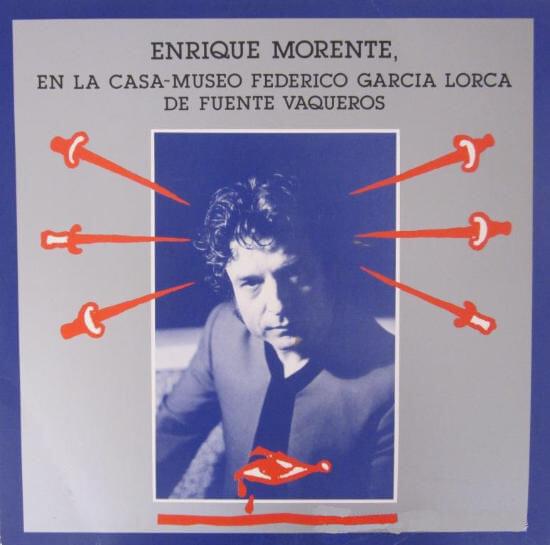
 View Artist