Song Meaning
The lyrics of "Buleria I" paint a series of vivid, often unsettling, snapshots. We encounter tender devotion, distant memory, a desperate plea against violence, and a solitary, staggering figure. The emotional landscape feels raw and deeply melancholic. It's a collection of intense moments, not a linear story.
A central tension emerges from the stark contrast between delicate imagery and moments of profound vulnerability. The "velvet dress" for a child of San Antonio and the "morning bloomed" under a "clear moon" in someone's hair evoke a gentle beauty. Yet, this beauty is shattered by the urgent plea, "Por Dios no le pegue Usted," revealing a situation of potential violence and a pregnant person in danger. This abrupt shift highlights life's fragile balance.
The narrator's perspective, observing "Desde mi barco flotante," suggests a detached yet persistent memory, emphasizing a sense of distance or helplessness. This detachment is then contrasted with the visceral, repeated image of someone "tambale tambaleandose," staggering alone. The progression from "Borracho de amor" to hunger and alcohol is particularly striking, encapsulating a profound, multi-faceted burden. This list moves beyond simple intoxication to a deeper, existential weariness.
These fragmented vignettes work together to create a deeply affecting portrait of human struggle and resilience. The lack of explicit connections between scenes forces the listener to actively engage, piecing together a narrative of longing, pain, and observation. The specific, evocative language, from the delicate "terciopelo" to the desperate "no le pegue Usted," grounds these intense emotions, making the experience both intimate and universally poignant. The lyrics leave us with a sense of unresolved weight, a powerful echo of lives lived on the edge.
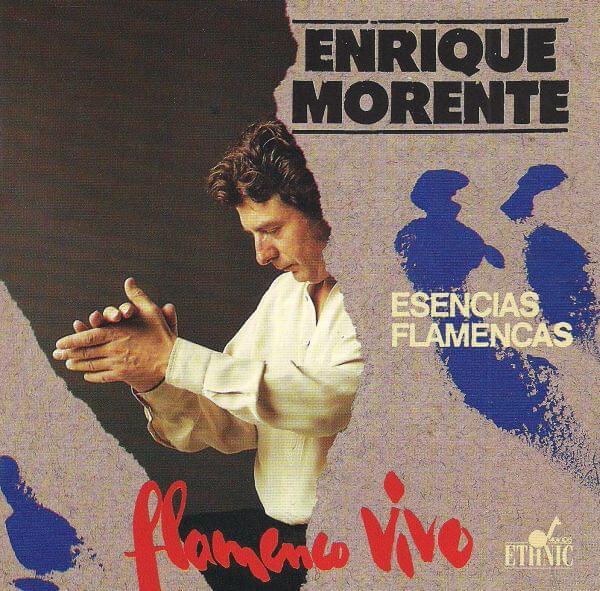
 View Artist