Song Meaning
This track opens with a bizarre culinary scene, presenting "salsa di grilli, salsa di rane" as something boiled and spread on bread, though it's so unappetizing that "non la mangia neanche un cane" – not even a dog will eat it. This sets a tone of grotesque absurdity, immediately subverting any expectation of conventional song themes. The focus then shifts abruptly to a yearning for a "lumaca mia," a personal snail, with a repeated, almost desperate, desire: "Se ti incontrassi ti ciuccerei." This juxtaposition of repulsive insect/amphibian concoctions with an intimate, if strange, craving for a snail creates a disorienting and darkly humorous atmosphere.
The central tension arises from this peculiar longing. The narrator contrasts the unpalatable, mass-produced "salsa" with a specific, almost tender, desire for their own snail. The lyrics suggest a search for something unique and perhaps even intimate amidst a backdrop of the bizarre and unappealing. The repeated chorus, "Oh, lumaca mia, dove sei? / Se ti incontrassi ti ciuccerei," transforms into an anthem of peculiar affection and a desperate search for this specific object of desire, highlighting a profound sense of absence.
The most striking craft element is the repeated, almost childlike, onomatopoeia of "Ciucci, ciucci," which accompanies the desire to "ciuccerei" – to suck or slurp. This playful sound, juxtaposed with the more unsettling imagery of eating snails and frogs, creates a deeply unsettling effect. It blurs the line between innocent desire and something more primal or even predatory. The later comparison of the snail to pork, "La lumaca è come il maiale," and the mention of Franco's strange enjoyment of its "guscio e la bava," further amplifies the surreal and slightly disturbing nature of the narrator's fixation.
Ultimately, the effectiveness of these lyrics lies in their audacious commitment to the absurd. By presenting repulsive food items and then pivoting to an intense, personal craving for a snail, the song taps into a vein of dark humor and unsettling desire. The simple, repetitive structure of the chorus, combined with the strange subject matter, makes the yearning feel both intensely personal and bizarrely universal, leaving the listener with a sense of bewildered fascination.
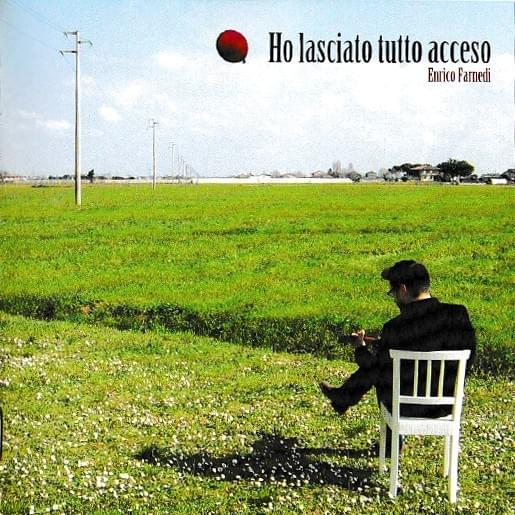
 View Artist