Song Meaning
The lyrics paint a stark picture of an internal struggle, personifying depression as a "juguete" (toy) that the narrator both created and is now trapped by. The opening lines reveal a sense of anger directed at inanimate "paredes" (walls), suggesting a feeling of being confined by past traumas. This frustration is then channeled into making depression a "juguete," implying a desperate attempt to control or diminish something overwhelming by treating it as insignificant or manageable.
The central tension lies in the paradoxical relationship with this "juguete." The narrator asks, "¿Cómo le haces para herirme y tranquilizarme a la vez?" (How do you hurt me and calm me at the same time?), highlighting the confusing duality of depression. It's something the narrator wants to "abolirte" (abolish) but also "desearte después" (desire afterwards), revealing a deep, almost codependent entanglement.
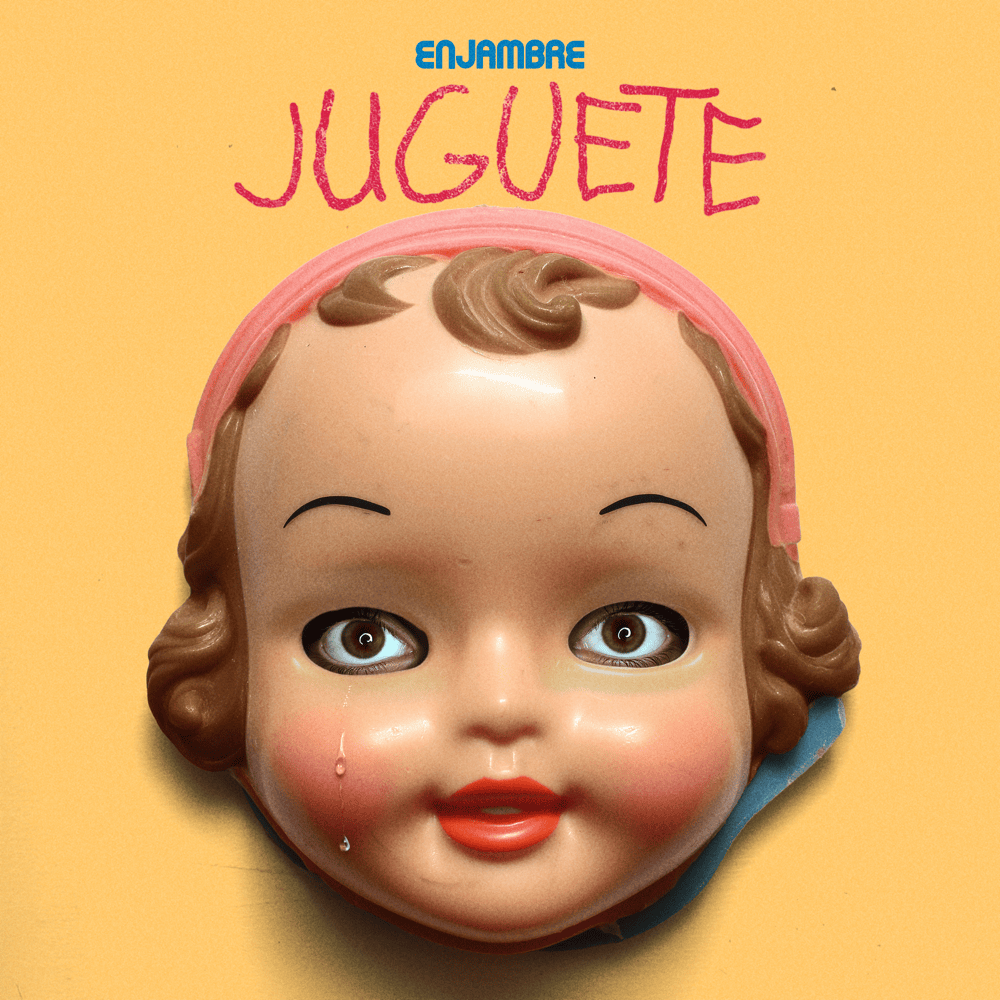
The most striking craft element is the consistent use of "juguete" to describe depression, a word that carries connotations of being manipulated, played with, or even disposable. Yet, the narrator admits, "no te puedo dejar" (I can't leave you) and "no me puedo emancipar" (I can't emancipate myself) from it. The twist comes in the final lines where the narrator shifts from being the controller of the toy to being the toy itself: "Soy tu juguete" (I am your toy), signifying a complete loss of agency and a surrender to the overwhelming force of depression.
This lyrical construction is effective because it grounds an abstract mental health struggle in concrete, relatable imagery of control and play. The repetition of "juguete" and the direct address to "maldita depresión" (damned depression) create a raw, confessional tone. The ultimate realization of being the "juguete" is a powerful, gut-punching conclusion that captures the feeling of being utterly consumed by an internal battle.
 View Artist