Song Meaning
The lyrics paint a picture of a relationship that has reached a painful impasse, characterized by a sense of time warping and a profound disconnect. The opening lines suggest a desire to rewind or escape the present, hinting at a past where things felt different, perhaps simpler or more hopeful. This initial nostalgia quickly gives way to the harsh reality of the current situation, marked by a "wall of silence" and a feeling of losing control, as if the relationship has spiraled beyond repair.
The central tension lies in the narrator's dawning realization about the nature of their predicament. The repeated refrain, "Sometimes I realise / It's not me," suggests a shift from self-blame to an external attribution of fault, or perhaps a recognition that their own actions or identity are not the sole cause of the breakdown. This is juxtaposed with the unsettling idea that "One thing I've yet to find / Has found me," implying an unavoidable fate or a truth that has now become undeniable, even if it was something the narrator was actively trying to avoid or discover.
The craft here is subtle but effective, particularly in the way time is treated as both a refuge and an antagonist. Initially, time is "slower in there," a place to retreat, but it also "held me back from the start," suggesting that the past itself might be the root of the problem. The contrast between "we let it go too far" and "now that we've come so far" highlights the tragic irony of investing so much into something that ultimately collapses. The repetition of the core realization reinforces its significance, making it the emotional anchor of the song.
Ultimately, the power of these lyrics comes from their unflinching portrayal of a relationship's end, not with a bang, but with a quiet, devastating clarity. The narrator grapples with the feeling of being a passive recipient of an inevitable outcome, moving from a desire to control or understand time to a resigned acceptance of what has "found me." It captures that disorienting moment when the end of something significant feels less like a choice and more like a discovery.
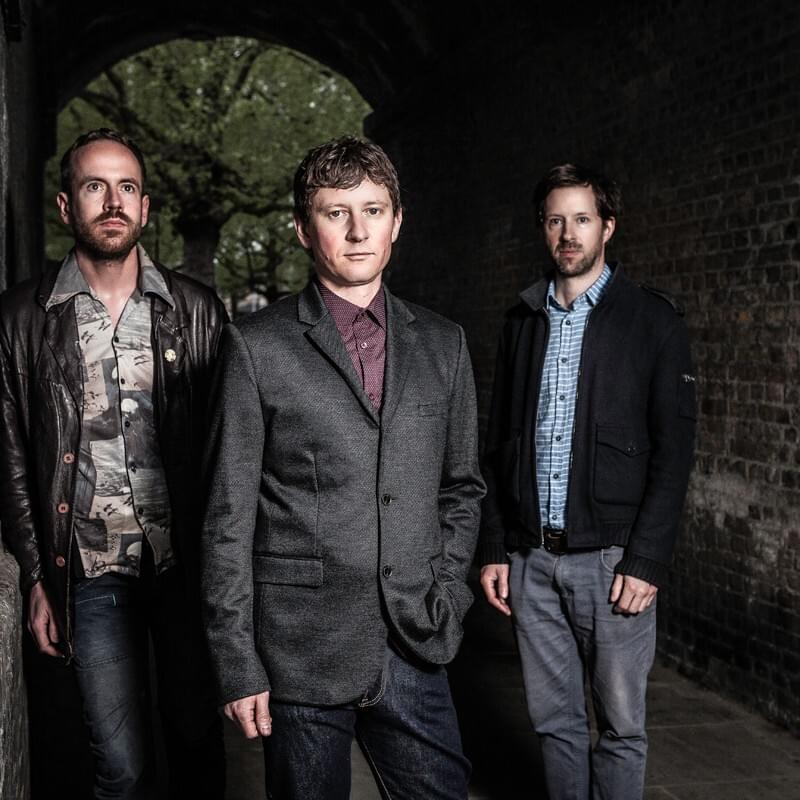
 View Artist