Song Meaning
The lyrics of "Quem Diria" grapple with the unexpected dissolution of a relationship, framing it as a profound surprise. The repeated question, "Quem diria que um dia a gente iria chegar ao fim?" (Who would have thought one day we would reach the end?), immediately establishes a tone of disbelief and bewilderment. This isn't a breakup born of predictable arguments; it's presented as an unforeseen conclusion, something "Ninguém seria capaz de adivinhar" (No one would be able to guess). The initial shock is palpable, suggesting a scenario where the end was never on the horizon for at least one party.
The central tension arises from a perceived misunderstanding and misjudgment of the narrator by the other person. Verse 1 directly confronts this, stating, "Você se enganou, tem que reconhecer" (You were mistaken, you have to admit it). The narrator implies they were never truly known or understood, suggesting the other person "Não me conhecia e não sabia o que queria saber" (Didn't know me and didn't know what they wanted to know). This creates a dynamic where the other person's current complaints or reactions are deemed baseless, stemming from an incomplete picture of who the narrator is.
However, Verse 2 introduces a subtle but significant shift. The narrator observes the other person "se assustou" (got scared) and acknowledges they "reclamam com toda razão" (complain with full reason). This suggests that while the initial premise of being misunderstood might hold, the other person's reaction is now validated, perhaps due to the narrator's own actions or the relationship's inherent trajectory. The line, "Foi o que deveria ter sido se não fosse paixão" (It's what should have been if it weren't for passion), is particularly striking. It hints that the relationship's intensity, its very foundation in passion, might have been the very thing that prevented a more sensible or predetermined outcome, ultimately leading to this surprising end.
This lyrical construction is effective because it moves beyond simple blame or regret. It captures the disorienting feeling of a relationship ending not with a bang, but with a collective shrug of "who could have known?" The shift from the narrator's initial assertion of being misunderstood to acknowledging the other's valid reasons for complaint creates a more nuanced portrait of a breakup. It highlights how even when one person feels unseen, the consequences of the relationship's failure can still be legitimate and deeply felt by the other, leaving both parties in a state of mutual, albeit different, surprise.
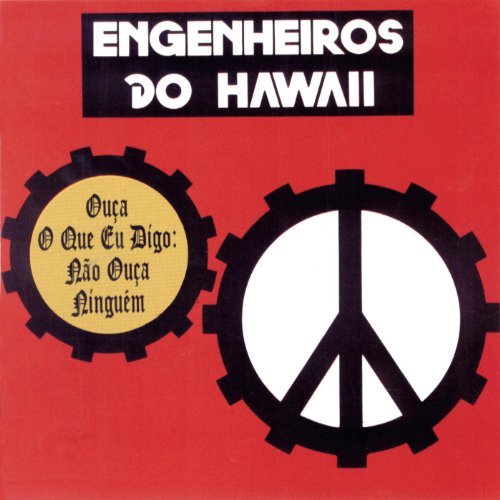
 View Artist