Song Meaning
The lyrics paint a stark picture of existential confusion and despair, questioning the purpose behind actions that feel ultimately meaningless. The narrator observes a pervasive sense of futility, noting that neither the allure of city lights nor the safety of shelter offers solace. This feeling extends to larger societal issues, as even the existence of war and conflict fails to provide a discernible reason or justification for their actions. The repeated phrase "A gente faz de tudo, mas nada faz sentido" (We do everything, but nothing makes sense) immediately establishes this core theme of aimless effort.
The central tension lies in the narrator's inability to comprehend the drastic turn their lives have taken, specifically the descent into self-destructive behavior. The repeated questions, "Não posso entender o que fizeram com nossas vidas?" (I can't understand what they did to our lives?) and "por que viramos suicidas?" (why did we become suicidal?), highlight a profound sense of bewilderment and a feeling of being acted upon rather than in control. This suggests a loss of agency and a deep-seated confusion about the forces that have led to such a bleak outcome.
A striking aspect of the writing is the juxtaposition of emptiness and excess. The narrator describes being "vazio, tô cheio de vícios" (empty, I'm full of vices), a paradox that captures the internal struggle of seeking fulfillment through destructive means. The idea that "o fim da linha é só o início" (the end of the line is just the beginning) further emphasizes a cyclical, absurd reality where endings merely lead to more nonsensical beginnings. The raw honesty of contemplating extreme actions, like sending "tudo pro espaço" (everything into space) or "pro inferno" (to hell), is contrasted with the unexpected difficulty of facing solitude, particularly "numa noite de inverno" (on a winter night).
These lyrics resonate because they articulate a universal feeling of being lost and overwhelmed by circumstances beyond one's control. The direct, almost blunt language, coupled with the recurring questions, creates a sense of shared bewilderment. The writing doesn't offer easy answers but instead captures the raw, disorienting experience of confronting meaninglessness and the painful realization of self-inflicted damage, making the emotional weight palpable.
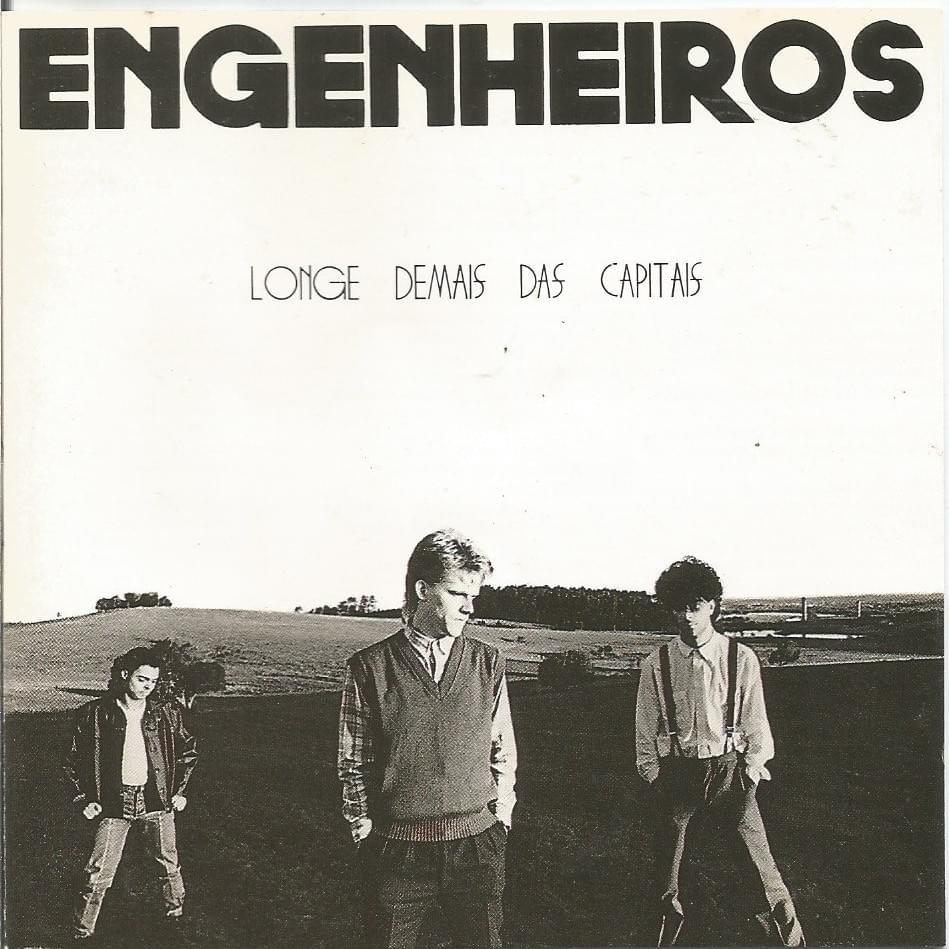
 View Artist