Song Meaning
The narrator opens with a stark admission of past foolishness, confessing that their sorrow is as obvious as their initial mistake. The core of this regret lies in a misplaced belief: the narrator thought their future was intertwined with the departed person, envisioning a shared 'tomorrows' that now feel like a naive fantasy. This shattered expectation of permanence, the idea that the person would 'belong to me forever,' is the source of the present pain.
The central tension here is the agonizing push and pull between acceptance and desperate hope. The narrator acknowledges the necessity of moving on, stating 'I can't go on belonging to the past,' and even entertains the possibility of future happiness with 'a new love to love me.' Yet, this pragmatic outlook is constantly undercut by a fervent, almost prayerful plea: 'I pray that one day in time / You'll come back and be mine.' This internal conflict makes the pain feel raw and unresolved.
The lyrics effectively use repetition to underscore the narrator's fixation and the slow, uncertain passage of time. Phrases like 'In time' and 'I may forget' are repeated, highlighting the conditional nature of healing. The narrator isn't sure *if* they'll forget, only that they *might*, and that this forgetting is tied to the elusive 'in time.' This linguistic uncertainty mirrors the emotional state of someone clinging to a fading memory while simultaneously trying to build a future.
Ultimately, the effectiveness of these lyrics stems from their unflinching portrayal of vulnerability and the messy reality of heartbreak. The direct, almost childlike declarations of 'I love you / I need you' juxtaposed with the logical, albeit reluctant, acknowledgment of needing to move forward create a powerful emotional resonance. It captures that difficult moment when the mind knows it must let go, but the heart simply refuses.
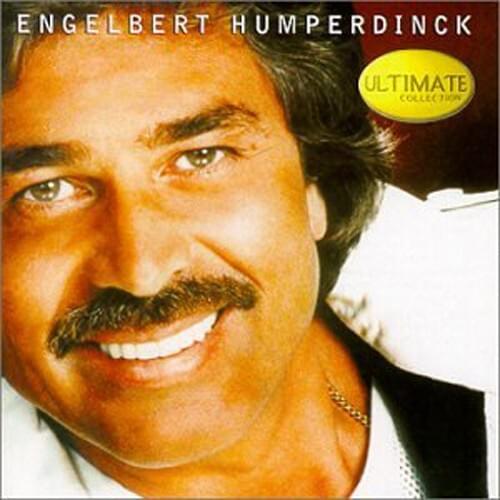
 View Artist