Song Meaning
The lyrics confront the inevitability of aging and mortality, personifying death as "the old man" who is persistently "knocking on my door." The narrator expresses a fierce desire to resist this encroaching end, urging himself and the listener to actively engage with life rather than passively accept its conclusion. This isn't a song of resignation, but a defiant call to arms against the fading light.
The central tension lies between the narrator's awareness of his "weathered and worn" body and his refusal to surrender to the "old man." He acknowledges the passage of time and the eventual end, but this realization fuels a desire to live more fully, not to succumb to despair. The repeated question, "Ask yourself how old you'd be / If you didn't know the day you were born," challenges the very notion of age as a fixed, limiting factor, suggesting a spirit that transcends chronological years.
The most striking craft element is the vivid personification of mortality as a rider on horseback, bringing a "cold bitter wind." This imagery transforms an abstract concept into a tangible, almost cinematic threat. Yet, the response prescribed is not fear, but a defiant "smile" and a continued embrace of life's simple pleasures: loving one's wife, staying close to friends, and toasting each sundown with wine. This juxtaposition of a grim arrival with a life-affirming reaction is the core of the song's power.
Ultimately, the lyrics resonate because they articulate a universal human struggle with profound honesty and a powerful, active spirit. The repeated command, "Don't let the old man in," becomes a mantra for seizing the present moment, finding joy in relationships and experiences, and facing the unknown with courage rather than dread. It’s a reminder that while we can't stop time, we can choose how we live within it.
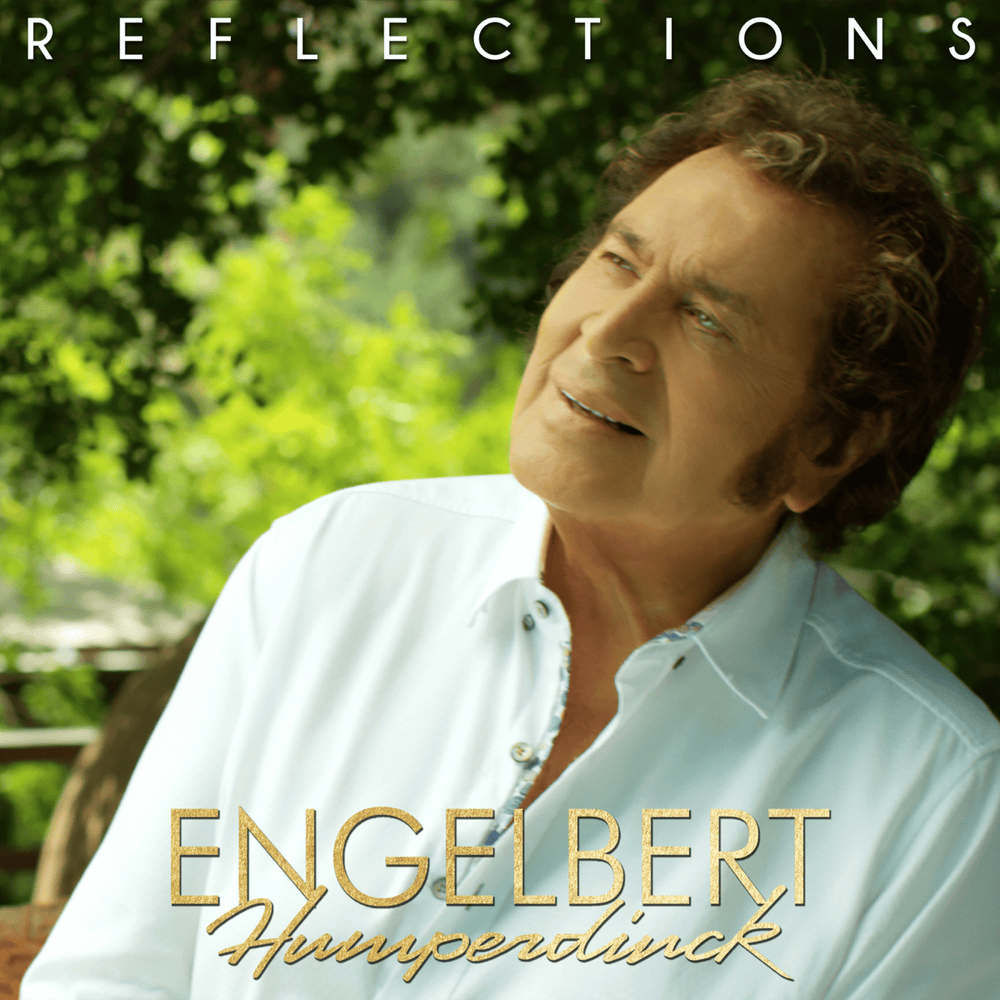
 View Artist