Song Meaning
The lyrics paint a stark picture of self-deception and the fear of confronting one's own past mistakes. A persistent "shadow," mirroring the narrator, looms behind, representing a self that has been deliberately ignored. This shadow is explicitly linked to the narrator's own reflection, a visual metaphor for the refusal to acknowledge a history of being "blind."
The central tension lies in the narrator's cyclical struggle between recognizing their past blindness and the paralyzing anxiety that prevents genuine growth. Each supposed "gift of better sight" is immediately countered by anxiety, which "built one more brick," reinforcing the fear of making another wrong choice. This creates a loop where awareness leads not to liberation, but to deeper entrenchment in fear.
The most striking craft element is the ambiguity of agency, particularly in the final lines: "Yet, was it I / Or my shadow / Walking in the past?" This question blurs the line between the conscious self and the repressed aspects represented by the shadow, suggesting that the past actions might not have been entirely the narrator's own doing, or perhaps that the shadow has taken on a life of its own. The imagery of "blurred eyes" of "someone small" also hints at a younger, perhaps more vulnerable self, left behind and now haunting the present.
This writing is effective because it captures the visceral feeling of being trapped by one's own internal barriers. The persistent "shadow" and the "bricks" of anxiety create a tangible sense of dread. The final lines leave the listener with a lingering unease, mirroring the narrator's own unresolved conflict and the difficulty of truly escaping one's past self.
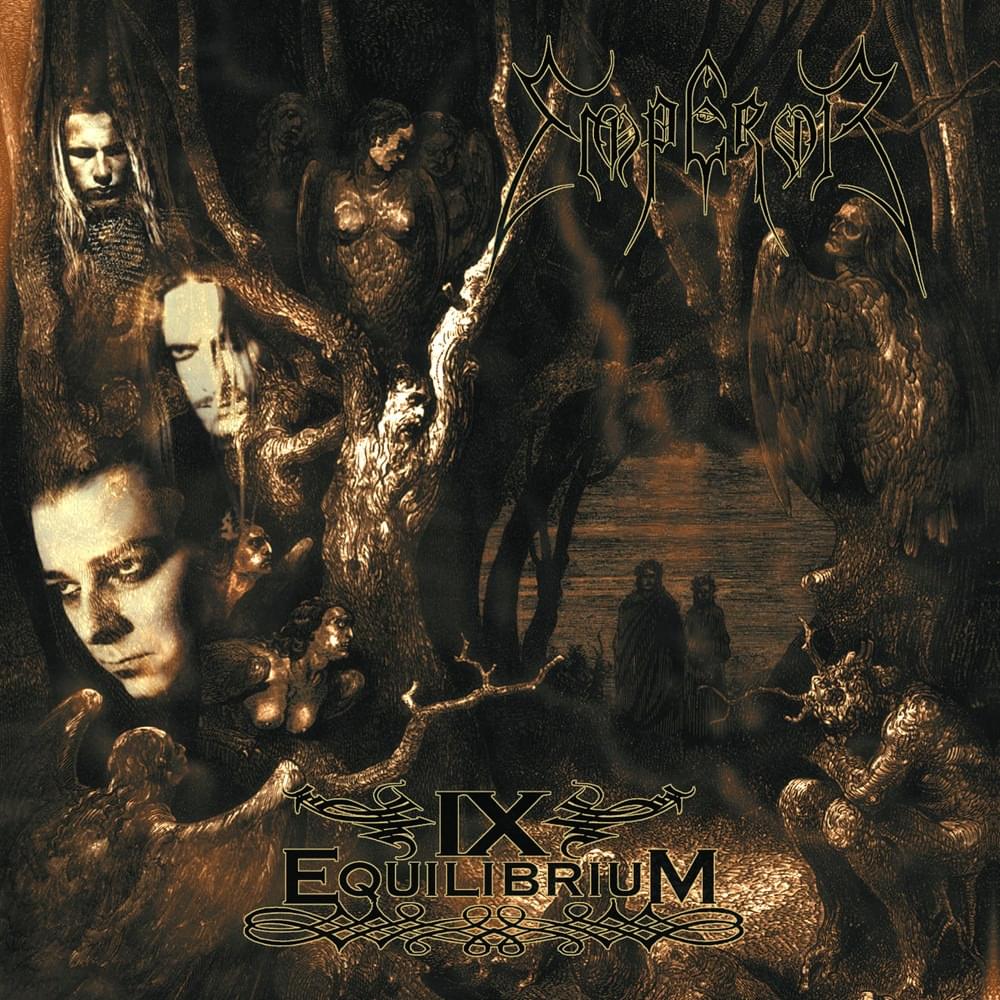
 View Artist