Song Meaning
The narrator directly addresses Icarus, not with pity, but with a defiant challenge. They claim to possess "wings of faith," a burden that defies physical measurement yet doesn't weigh them down. This sets up a core tension: a spiritual or metaphorical flight contrasted with the literal, physical limitations of gravity. The narrator sees themselves as a "challenger of gravity," ready to embrace a destiny forged in "mighty turbulence."
The lyrics articulate a complex relationship with fate and failure. The narrator explicitly states, "The fear is not the fate I seek," suggesting a deliberate pursuit of risk. They envision rising again even if they fall, a testament to a resilient spirit. This defiance is juxtaposed with the "admonish by the graves of those who fell," implying a awareness of past failures but also a dismissal of them in favor of a "pure of heart" leap into the unknown, into "grace."
The most striking craft element is the narrator's invocation of Icarus and the fallen. They hear the "purity of their song" and summon Icarus from "shattered graves." This isn't a call to join the defeated, but to receive reverence and then, crucially, to "spread your wings" again. The narrator seems to be drawing strength and inspiration from past failures, transforming the cautionary tale of Icarus into a call to renewed, faith-driven flight.
This piece resonates because it reframes the myth of Icarus. Instead of a simple warning against hubris, it becomes an anthem for audacious belief. The narrator’s willingness to embrace the burden of faith and the potential for falling, while drawing power from those who have already failed, creates a powerful narrative of defiant hope. The lyrics suggest that true transcendence comes not from avoiding risk, but from facing it with unwavering conviction and a willingness to rise, no matter the cost.
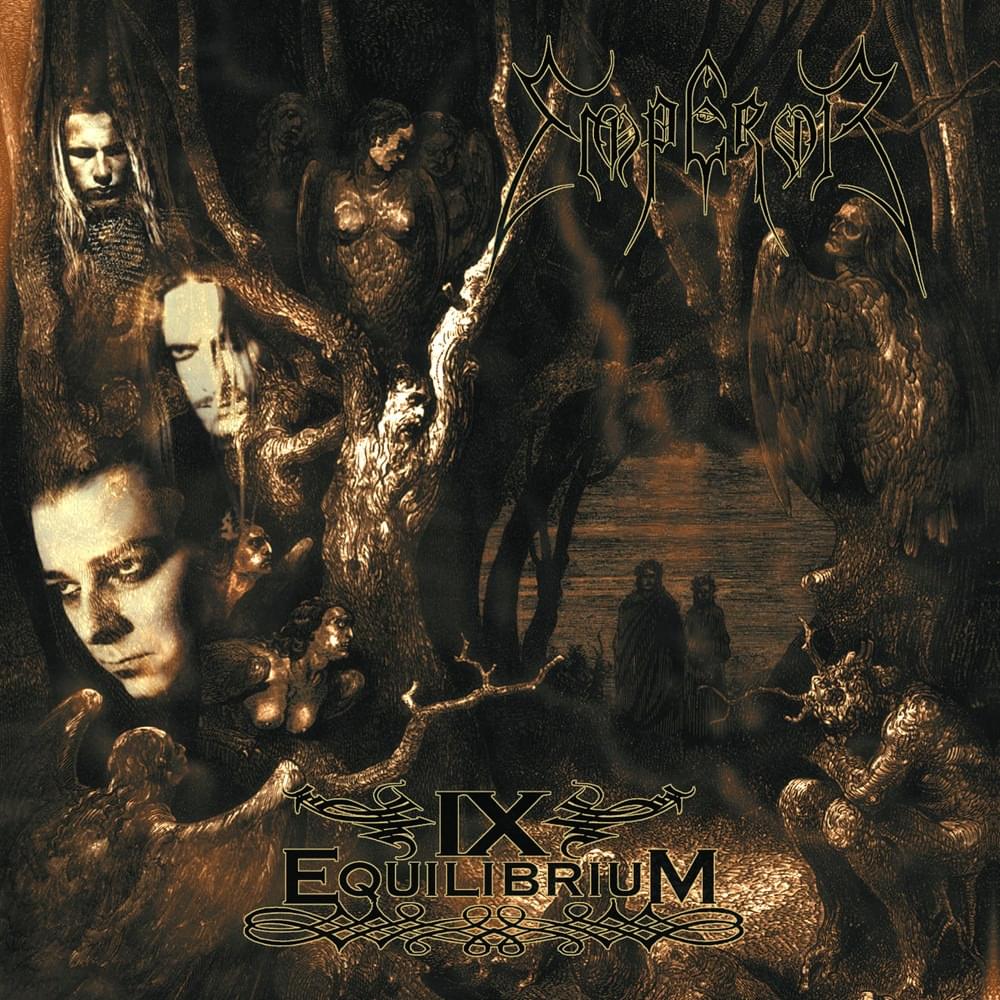
 View Artist