Song Meaning
Emmanuel's "Vida" isn't just a song; it's a testament to resilience, a phoenix rising from the ashes of past pain. The opening lines, "Vida en ti yo creo / La neblina se esfumo" (Life, in you I believe / The mist has vanished), immediately establish a narrative of hope emerging from obscurity. The song confronts the lingering shadows of a past that has "robado el alma" (stolen the soul), a past so intense it nearly obliterated the self. This isn't just sadness; it's a profound sense of having been emptied, a feeling all too familiar to those who've weathered significant trauma. The acknowledgment that "no ha sido fácil" (it hasn't been easy) underscores the authenticity of this emotional journey. He's not glossing over the struggle; he's honoring the grit it takes to simply survive.
The core of the song meaning lies in the recognition of life's inherent purity and the initial resistance to accepting its healing power. "Por no entender tu modo / De tu amor me defendí" (For not understanding your way / I defended myself from your love) speaks to a common human tendency to push away what we desperately need, often out of fear or a lack of self-worth. Yet, despite this resistance, life subtly, persistently fills the void, offering "aliento puro" (pure breath). This gradual restoration isn't passive; it requires acknowledging that even angels, symbols of perfection, "nos rompemos en pedazos llenos de dolor" (break into pieces full of pain). This line dismantles the illusion of flawlessness, suggesting that vulnerability is intrinsic to the human, even divine, experience.
Emmanuel delves deeper, positing that suffering, however intense, has its limits. The belief that "Dios cancela todo" (God cancels everything) offers a spiritual anchor, a promise of redemption and renewal. The image of "flores sobre barro y lodo" (flowers sprouting on mud and sludge) is particularly potent. It's a visual representation of transformation, of beauty emerging from the most unlikely and unpleasant circumstances. The song’s exploration of being "Ángeles / Con arrugas mas profundas en el corazón" (Angels / With deeper wrinkles in the heart) highlights the scars we carry—scars that, paradoxically, deepen our capacity for empathy and love. "Vida" ultimately becomes an anthem for those who are "urgentes de un amor / Que a nuestro corazón vuelve a darles aire" (in urgent need of a love / That gives air back to our hearts), a call for the life-affirming force that can reignite our weary souls.
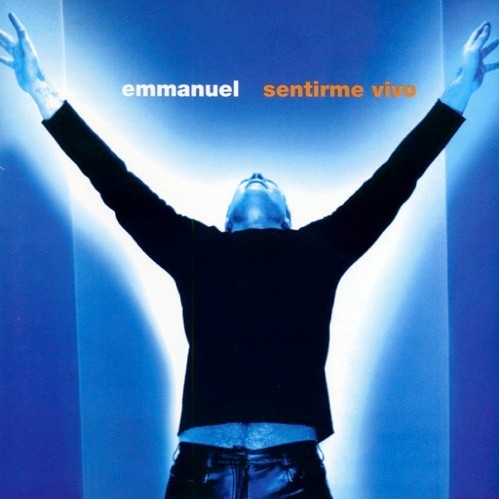
 View Artist