Song Meaning
The narrator is caught in a loop of longing and disbelief after a significant loss. The opening lines, "Ser, du mig i drmmarna,aha / Du sa, du skulle stanna kvar," immediately establish a sense of haunting presence and broken promises. This isn't just about missing someone; it's about the persistent echo of their words and the stark contrast with the current reality. The desire to learn how to love again, as stated in "Hur man lskar igen," is directly tied to the absence of the person who taught them, creating a profound emotional paradox.
The central tension lies in the simultaneous presence and absence of the lost loved one. While the narrator declares, "Aldrig igen,kommer du va hos mig," they also insist, "Men du finns hr inom mig." This internalizes the relationship, making the loss even more acute because the person is both gone and indelibly a part of them. The repeated phrase "Vi hade ntsom kan va svrt att frst" suggests a unique, perhaps complex, connection that is now unrecoverable, amplifying the pain of finality.
The most striking aspect of the lyrics is the relentless repetition of "Aldrig igen." This isn't just a statement of fact; it's an incantation of despair, hammering home the permanence of the separation. The contrast between the past, where "Vi, vi gjorde allt vi sa," and the present, defined by "Aldrig igen ser jag dig," highlights the devastating impact of this loss. The narrator is left with memories and an internal echo, unable to move forward because the very act of loving again is linked to the person who is no longer physically present.
This lyrical construction is effective because it mirrors the disorienting nature of grief. The back-and-forth between the memory of promises and the harsh reality of absence creates a palpable sense of yearning and confusion. The insistent refrain of "Aldrig igen" serves as a stark, unyielding anchor, grounding the emotional turmoil in a painful, definitive truth. It’s this internal conflict, amplified by the stark finality of the repeated phrase, that makes the narrator's longing so resonant.
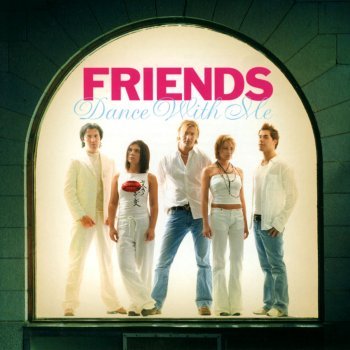
 View Artist