Song Meaning
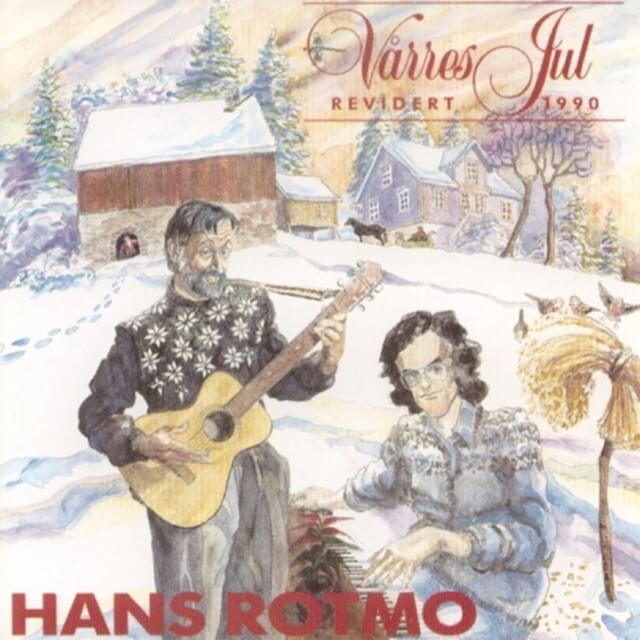
This song paints a vivid picture of a traditional, almost chaotic, Christmas preparation, seen through the eyes of children. The initial scene is one of frantic domesticity, with Aunt Anna cleaning every room and the kids being dressed and sent outside, the air thick with the scent of green soap. Inside, the mother is busy, and the children are captivated by the decorations – angels, a stable, and garlands – even climbing to peek inside the Christmas star. The lyrics capture the sensory details of a snowy winter scene, the sound of sleigh bells, and the arrival of the butcher with his sack.
The central tension arises from the children's innocent observation of adult activities that carry a darker undertone. While they are fascinated by the angels and the star, their attention is drawn to the butcher and the sounds of the pig, Margido, screaming. Later, they are warned away from the cellar where the father is brewing beer, highlighting the adult world's practical concerns and the children's exclusion from certain aspects of the celebration. This creates a subtle contrast between the festive facade and the underlying realities of preparing for the holiday.
The most striking craft element is the way the lyrics juxtapose childlike wonder with the more visceral aspects of a traditional rural Christmas. The children's excitement over the sleigh bells and the butcher's arrival is immediately followed by the chilling detail of the pig's cry and the father's stern warning about the beer. This direct, unvarnished portrayal of events, without explicit judgment, allows the reader to feel the children's perspective – their curiosity, their fear, and their eventual understanding of the adult world's rules and preparations.
Ultimately, the effectiveness of these lyrics lies in their authentic, sensory-rich depiction of a specific cultural moment. The use of simple, direct language and concrete imagery—the smell of soap, the sight of garlands, the sound of bells, the taste of dough—grounds the narrative. The song doesn't shy away from the less idyllic elements, like the pig's scream or the father's gruffness, which makes the overall picture of 'Vårres jul' feel remarkably real and resonant, capturing the complex blend of joy, anticipation, and perhaps a touch of apprehension that defines childhood holidays.
 View Artist