Song Meaning
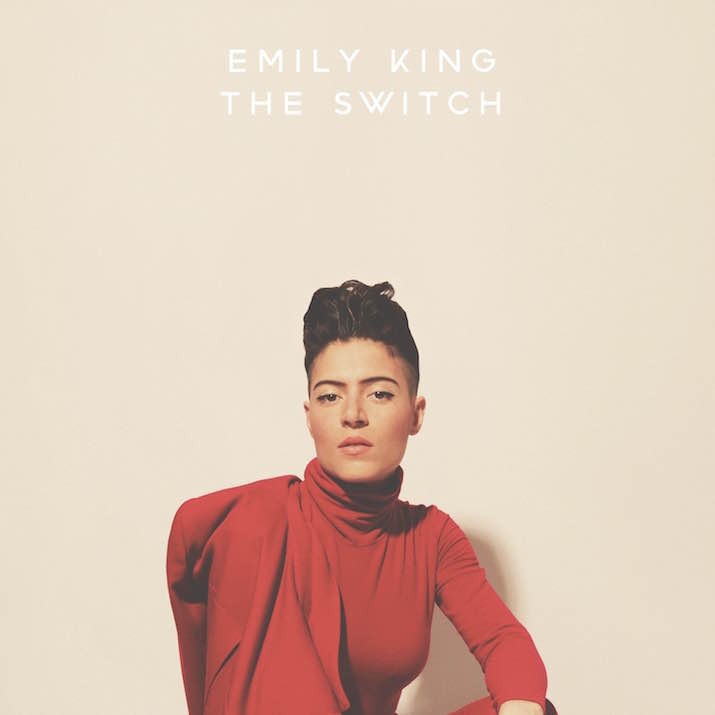
Emily King's "The Switch" dissects the draining artifice of performative charm within a relationship. It's a portrait of a partner who shines brilliantly in public, a social supernova, only to dim into exhaustion and disinterest behind closed doors. The core frustration, laid bare in the insistent chorus, is the feeling of being shortchanged, of receiving only the depleted leftovers of a carefully curated persona. The repeated demand to "turn on the switch" isn't merely a plea for attention; it's a challenge to authenticity, a yearning for the vibrant, engaging person the singer knows exists but is rarely granted access to. The central question becomes: is this a sustainable dynamic, or is the energy expenditure of maintaining two separate selves ultimately corrosive to intimacy?
King's lyrics paint a vivid picture of this duality. In social settings, the partner is a 'winner,' effortlessly captivating strangers and basking in their admiration. But the moment the audience disappears, so does the effort. The singer is left with the bill, both literally and figuratively, burdened with the emotional labor of propping up a connection that feels increasingly one-sided. The repeated line about running "out of charms" suggests a calculated depletion, as if affection and engagement are finite resources rationed strategically for external validation. It's a brutal assessment of a relationship where public perception trumps private connection.
The bridge, with its increasingly desperate pleas—"If I want it, turn it on; if I need it, turn it on; if I'm hungry, darling, then feed it"—escalates the stakes. These aren't just requests for attention; they are primal needs being denied. The final lines, "Baby, someday you'll believe me, you won't take me for granted, when I'm leaving," signal a breaking point. The singer recognizes the unsustainable nature of the dynamic and foreshadows an inevitable departure. "The Switch," therefore, isn't just about the frustration of unmet needs; it's a warning about the consequences of prioritizing external validation over genuine connection, a study in the psychology of performance and its impact on intimate relationships.
 View Artist