Song Meaning
The lyrics open with a direct address, calling someone a "clown" and acknowledging their tears. There's an immediate sense of someone observing another's pain, specifically heartbreak. The narrator claims to know the reason for the tears: rejection by someone. The initial response is a dismissive "dry your tears" coupled with a somewhat cynical reassurance that there are plenty of other potential partners available. This sets a tone of detached, perhaps even hardened, empathy.
The central tension arises from the narrator's own desire contrasting with the observed sorrow. While they see the "clown" crying more and more, the narrator explicitly states, "I want to smile, I want joy." This isn't just about comforting another; it's about the narrator's personal need to escape the negativity and sadness they are witnessing. The plea to stop hearing the other person's "woes" highlights this internal conflict and the narrator's struggle to maintain their own emotional equilibrium.
The repeated phrase "Eu já sei porque choras palhaço" (I already know why you cry, clown) functions as a kind of mantra, reinforcing the narrator's perceived understanding of the situation. However, the core of the song's emotional impact lies in the stark contrast between the observed suffering and the narrator's urgent personal demand for happiness. The repetition of "Porque não falta neste mundo é mulher" (Because there's no shortage in this world of women) at the end, slightly altered from the earlier "O que não falta," adds a layer of finality and perhaps a touch of desperation to the narrator's attempt to dismiss the pain and move on.
This lyrical construction is effective because it grounds a universal theme of heartbreak and the desire for happiness in a specific, if somewhat harsh, interaction. The narrator's bluntness and self-focused plea for joy, even while acknowledging another's pain, creates a relatable, albeit imperfect, human response. The song captures that moment when witnessing someone else's deep sadness becomes a burden, prompting a selfish but understandable urge to seek one's own light.
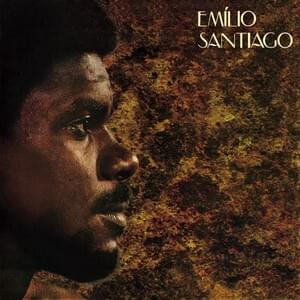
 View Artist