Song Meaning
The narrator opens with a stark desire for happiness, but it's immediately qualified: they don't want it for falling in love. This fear of love's potential pain, of a beautiful romance leading to tears, sets a tone of guarded vulnerability. The lyrics reveal a deep-seated anxiety about emotional surrender, suggesting a past hurt or a profound apprehension of heartbreak.
The central tension arises from the unexpected arrival of passion, which the narrator claims came "sem dizer nada"—without warning. This uncontrolled force disrupts their carefully constructed peace, leading to a painful realization: "o dono da dor sabe quanto dói" (the owner of the pain knows how much it hurts). This implies that experiencing deep sorrow grants a unique, albeit agonizing, understanding of its weight, a wisdom the narrator now possesses.
The craft here hinges on the juxtaposition of "amor bonito" (beautiful love) and the inevitable "chorar" (to cry), and the paradoxical idea that "a realidade é dura / Mas é aí que se cura" (reality is harsh / But that's where one heals). The lyrics suggest that confronting the painful reality of love, rather than avoiding it, is the only path to genuine healing. The phrase "amarga e doce tentação" (bitter and sweet temptation) perfectly encapsulates this duality, highlighting the allure and the inherent suffering of passion.
Ultimately, these lyrics resonate because they articulate a universal fear of vulnerability within the context of love. The narrator's struggle—wanting happiness but dreading the emotional cost of deep connection—is rendered with a raw honesty. The writing effectively captures the disorienting power of love and the painful wisdom that often accompanies it, making the listener feel the sting of experience alongside the narrator.
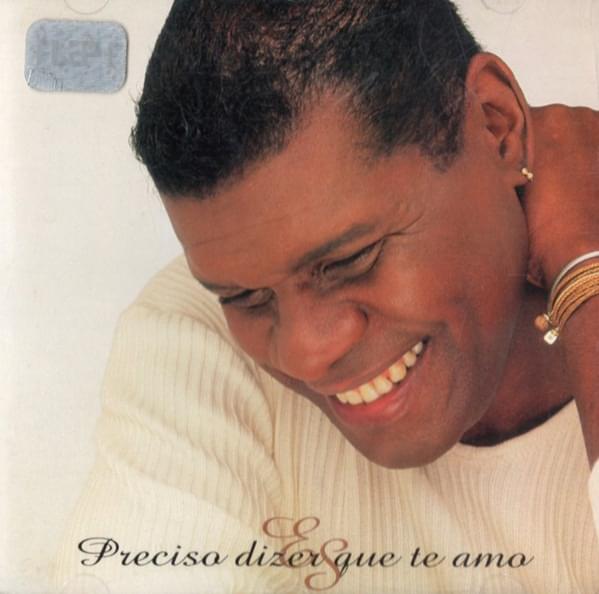
 View Artist