Song Meaning
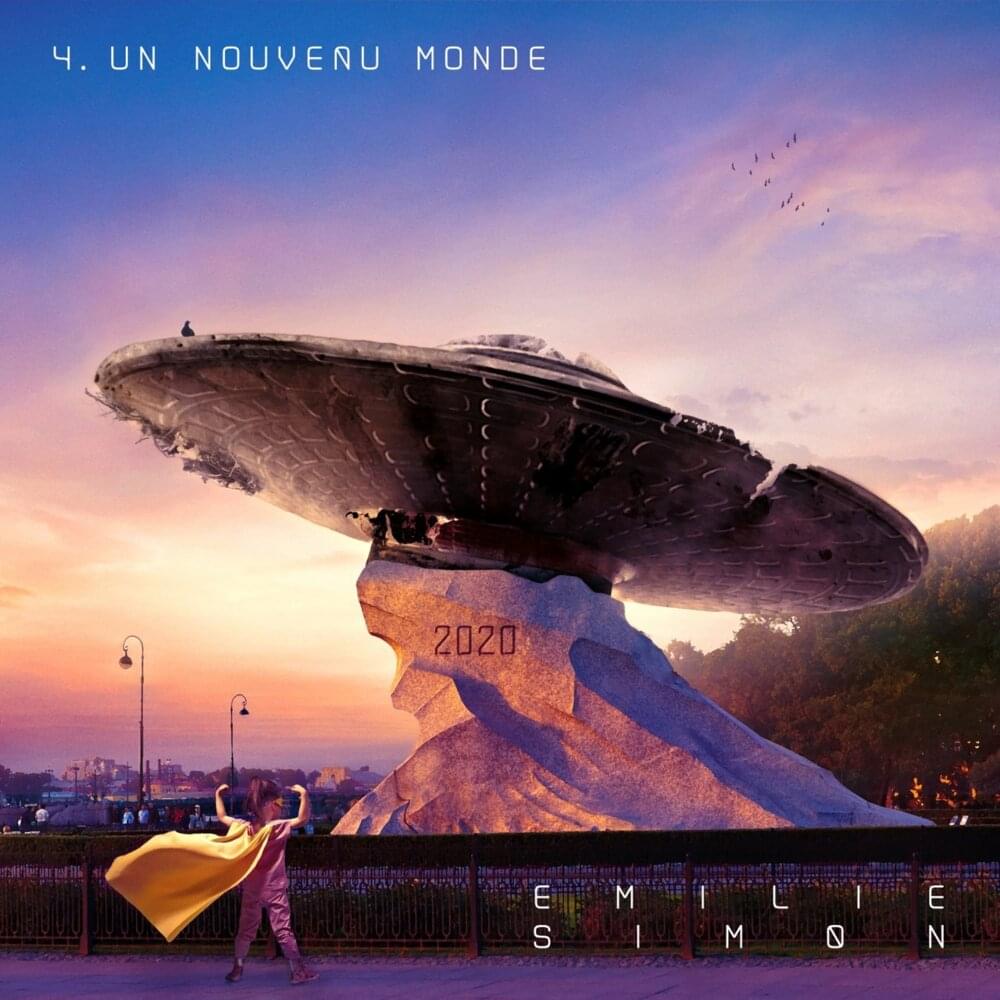
Émilie Simon's "Un nouveau monde" isn't just a song; it's a sonic dawn. The track unfolds as an anthem of hope wrested from the jaws of despair. The repeated imagery of ships taking flight as the fog lifts is immediately striking. These 'vaisseaux' aren't literal vessels; they represent ideas, dreams, or even the collective spirit of a people finally breaking free from oppression. The 'brouillard' that dissipates acts as a metaphor for confusion and uncertainty, swept away by the clarity of a new beginning. The lyrics paint a picture of a world where 'la nuit a duré une éternité' – a prolonged period of darkness, either literal or symbolic, that has finally come to an end. The chasing away of shadows suggests a triumph over past trauma. A lyrical analysis reveals a journey from a place of destruction to one of rebirth.
The core of "Un nouveau monde" lies in its cyclical structure. The 'ombres' (shadows) that 'ont détruit, anéanti' (destroyed, annihilated) hint at a past filled with hardship and loss. However, the turning wind ('le vent tourne aujourd’hui') signifies a shift in fortune. This isn't passive optimism; it's an active turning of the tide. The arrival of dawn and the fleeing shadows are classic symbols of hope, but Émilie Simon imbues them with a unique sense of urgency and determination. The phrase 'Le jour a triomphé de la nuit' is not just a statement of fact, it is a declaration of victory.
The song’s power resides in its simplicity. The repetition of the 'vaisseaux s'envoler' (ships flying away) refrain reinforces the idea of forward movement and escape. The phrase 'Un nouveau monde s'est levé' (A new world has risen) is not just a statement of hope; it's a proclamation of a tangible reality. Émilie Simon uses this song to convey the idea that even after enduring immense suffering, the possibility of creating a new and better reality always exists.
 View Artist