Song Meaning
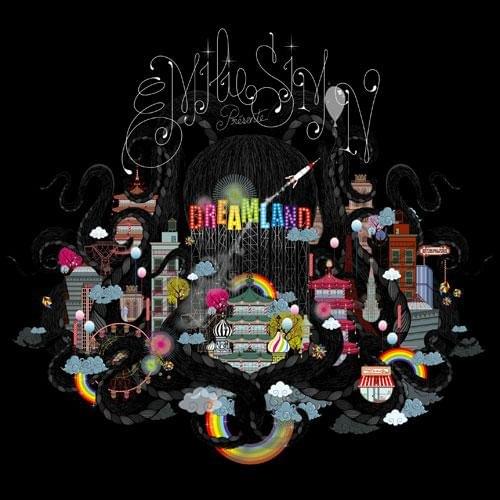
Émilie Simon’s "Dreamland" isn't a saccharine lullaby; it's a stark exploration of escapism, painted with delicate, almost childlike imagery that belies its darker core. The lyrics dance around a central figure, a "sweet little girl" and a "green little bird," both lost in a dream state, perpetually searching for something elusive – a "place in the sun," a lost key. This repeated motif of searching suggests a profound dissatisfaction with reality, a deliberate retreat into a self-constructed fantasy. The crucial line, "When she goes to Dreamland, nothing bad can happen, 'cause she won't be seen there," exposes the song's central tension: Dreamland isn't a haven, but a form of isolation, a defense mechanism against a world perceived as too harsh. It's a place where the protagonist can disappear, become invisible to pain, but also to connection. The repeated denial, "No she won't be seen there, 'cause there's no one there," amplifies this sense of profound loneliness. The lyrics hint at a caretaker's perspective, someone observing this retreat with a mixture of concern and resignation. The phrase, "She never seems to wake up, but I don't want to give up," speaks to the frustrating persistence of this escapist tendency. There's a palpable fear that the protagonist is becoming permanently lost in her fantasy. The song's gentle melody and Simon's ethereal vocals create a haunting contrast with the lyrical content, making the exploration of the song meaning all the more poignant. Ultimately, "Dreamland" is about the seductive power of fantasy and the dangers of disconnecting from reality, offering a glimpse into the fragile psychology of someone seeking refuge from a world they find unbearable. The final plea, "When the dream will be over, just try to remember the time you shared with me," underscores the fear of being forgotten, of the dream becoming a permanent state, severing all ties to the waking world. It’s a quiet, desperate call for connection amidst the isolating allure of Dreamland.
 View Artist