Song Meaning
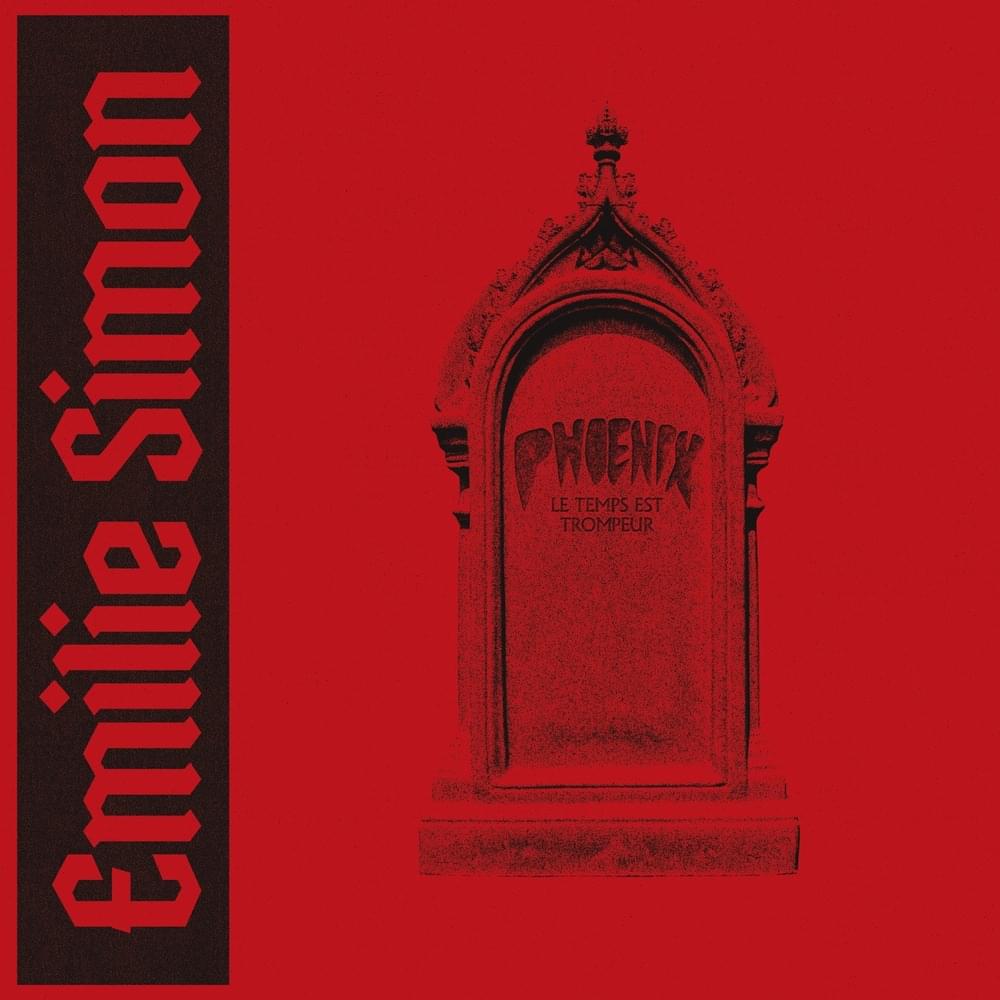
Émilie Simon's "Chap. 4.2: Tes Mots (Phoenix - Le Conte)" isn't just a song; it's a sonic autopsy of a relationship eviscerated by language. The core lament hinges on the chasm between the potential healing power of words and the brutal reality of their destructive force. The opening lines, yearning for a world where speech could mend wounds, immediately establishes a sense of profound disappointment. It's the kind of disillusionment that comes when the very tool meant for connection becomes the instrument of pain. The repetition of "Le mal que tous tes mots m'ont fait…" isn't just lyrical filler; it's the reverberating echo of damage inflicted. The song meaning resides in this central contradiction: words promised solace, but delivered suffering.
The imagery of words "s'envolent, s'effacent / Se perdent au fond de l'espace" paints a vivid picture of their ephemeral and ultimately meaningless nature within the context of the broken relationship. They lack substance, failing to provide comfort or resolution. Instead, they vanish, leaving behind only emptiness and the lingering sting of what was said (or left unsaid). The sonic texture of the song, presumably, amplifies this sense of hollowness, mirroring the void created by these vanished words. The bridge introduces a narrative element, a persona found "gisante" (lying down), seemingly lifeless, adding a layer of dramatic irony. The speaker is alive in a technical sense, but already planning an act of retribution or escape, her "stratégie" being sharpened amidst the superficial trappings of wealth ("Rolls").
Ultimately, "Chap. 4.2: Tes Mots" is a study in the psychology of verbal abuse and its aftermath. It explores how words, often dismissed as mere air, can inflict deep and lasting wounds. The phoenix metaphor suggests a potential for rebirth, but it's a rebirth forged in the fires of betrayal and fueled by a meticulously crafted plan. The song leaves us hanging on the precipice of that transformation, wondering whether the speaker will rise from the ashes or succumb to the weight of her past. It's a dark and compelling exploration of the power—and the peril—of language in intimate relationships.
 View Artist