Song Meaning
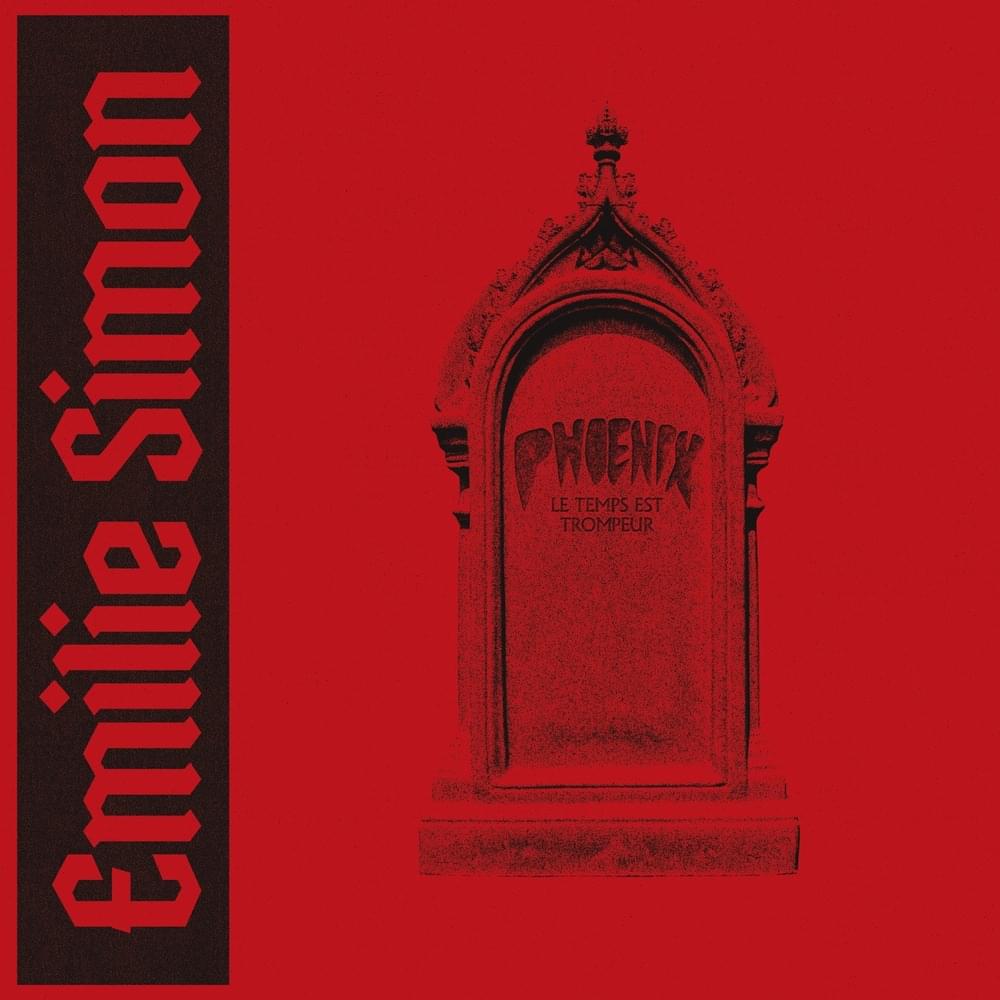
Émilie Simon's "Chap. 1.1: Lily Mercier (Phoenix - Le Conte)" isn't just a song; it's a sonic séance. The track plunges us into the spectral existence of Lily Mercier, a soul adrift in a self-described "mausolée, ma crypte." This isn't a simple ghost story; it's a psychological exploration of identity fractured by trauma and amnesia. The lyrics drip with a gothic sensibility, painting a picture of the "Maison des Dragons" as both a physical prison and a metaphor for Lily's fractured psyche. The house, under the watchful eye of the moon on the horizon, represents the haunting presence of her unresolved past. She is trapped, not just by the supernatural, but by the very absence of memory itself. The line, "Voilà un demi-siècle qu'erre mon âme en peine," suggests a profound sense of temporal displacement.
The true horror in "Chap. 1.1: Lily Mercier" lies not in the ghostly setting, but in Lily's existential crisis. She yearns to "raconter mon histoire" and "retrouver ma mémoire!" but is instead condemned to a "grand vide amnésique." This speaks to the core of human identity: without memory, without a narrative of the self, what remains? Lily's lament becomes a universal cry against the void of oblivion. Her refrain, "Je suis Lily Mercier, c'est tout ce qui me reste," is both a declaration of self and a desperate plea for recognition. It's the last ember of identity flickering in the darkness.
Simon masterfully uses the gothic framework to explore deeper themes of memory, identity, and the struggle to define oneself in the face of overwhelming loss. Lily's inability to recall the reason for her death amplifies her torment. It's a chilling commentary on how our past shapes our present and future. The question, "Comment peut-on oser croire en un avenir / Quand on n'a du passé plus aucun souvenir?" is the linchpin of the song's meaning. It highlights the tragic paradox of being tethered to existence without the anchor of personal history. Ultimately, "Chap. 1.1: Lily Mercier" is a poignant meditation on the fragility of self and the enduring power of memory.
 View Artist