Song Meaning
The lyrics present a raw, internal monologue of someone trying to maintain composure during a painful breakup. The narrator is speaking directly to their own body parts, urging them to suppress outward signs of distress as a loved one departs. It's a desperate plea for control, a fight against the overwhelming urge to break down in front of the person causing the hurt. The repeated command, "Hold heart," sets a tone of urgent self-regulation.
The central tension lies in the battle between the instinct to express grief and the conscious decision to conceal it. The narrator fears that any visible sign of their pain – a loud heartbeat, tears, or a trembling voice – will signify defeat. This fear suggests a deep-seated need to appear strong, perhaps to avoid further emotional damage or to preserve a sense of dignity in the face of abandonment. The lyrics highlight the internal struggle of maintaining a facade when emotionally shattered.
A striking element is the personification of the heart, tears, and lips as separate entities that must be controlled. The narrator commands their heart, "Don't beat so loud," and their tears, "Don't you come out." This fragmented address emphasizes the feeling of being overwhelmed, as if the body itself is betraying the narrator's desire for stoicism. The bridge introduces a powerful shift, directly addressing a former lover, "You're my king no more," and rejecting their "merciless heart," signaling a turning point from internal suppression to external defiance.
This intense focus on self-command makes the lyrics deeply effective. By detailing the specific, physical manifestations of emotional pain and the narrator's attempts to suppress them, the writing creates a visceral sense of the struggle. The eventual rejection of the former lover's status, "You're my king no more," offers a glimmer of hard-won agency, suggesting that even in defeat, there's a nascent strength emerging from the very act of trying to hold it together.
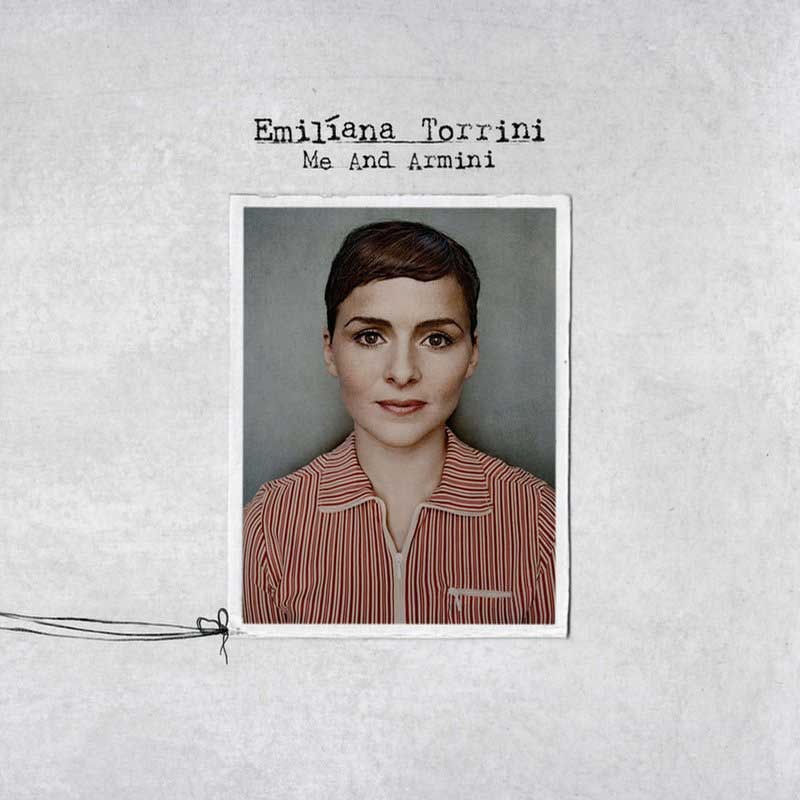
 View Artist