Song Meaning
The narrator spots an ex on the train, a fleeting moment that triggers a cascade of regret and reflection. The initial impulse to hide suggests a lingering awkwardness or pain, even while acknowledging the ex looks good and is doing well. This encounter forces a confrontation with unspoken words and overspoken sentiments, leading to a decision to finally let go of past grievances. The recurring chorus, "And when the day falls / I guess it was love / And when the day falls / At least it was," frames this acceptance with a melancholic resignation, a quiet acknowledgment of what once was.
The central tension lies in the narrator's struggle with their own communication and actions within the relationship. They admit to saying too much, a stark contrast to the things left unsaid, and later confess to being "ungraceful as I am in loving / In leaving I'm the same." This self-awareness, while painful, is also a step toward resolution. The narrator recognizes their own patterns of behavior, accepting that their apologies, though late, are still offered, indicating a desire for closure even if reconciliation is impossible.
The most striking craft element is the subtle yet powerful shift in the chorus. The first instance, "I guess it was love," is a tentative conclusion, a questioning of the past. By the second chorus, it solidifies into a more definitive, albeit somber, statement: "At least it was." This small change from "love" to "it was" speaks volumes, moving from a hopeful identification of the feeling to a simple, factual acknowledgment of its existence, regardless of its nature or outcome. It's a quiet surrender to the reality of the past.
This lyrical approach resonates because it captures the messy, often contradictory nature of looking back on a failed relationship. The narrator isn't seeking grand pronouncements or dramatic reconciliation; they're grappling with personal accountability and the quiet dignity of acceptance. The effectiveness comes from this grounded, internal processing, where a chance sighting on a train becomes the catalyst for a profound, if understated, reckoning with oneself and a past love.
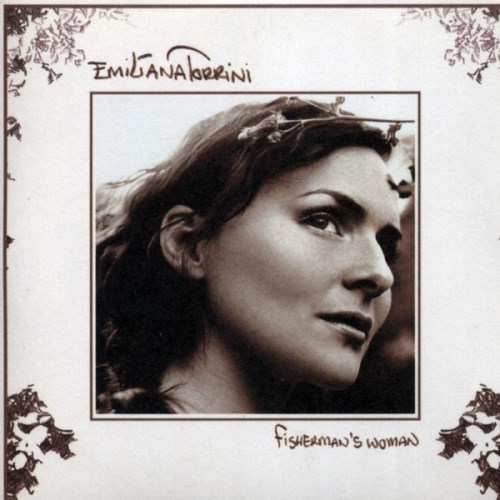
 View Artist