Song Meaning
The lyrics paint a picture of a relationship's poignant end, framed by a shared, yet ultimately failed, pursuit of something better. The opening image of rain on a windowpane, traced by a finger, sets a melancholic, intimate scene. The narrator clings to the memory of a "station where everything turns to the better," a hopeful past that now feels distant and perhaps illusory, underscored by the repeated "I ought to know this station."
The central tension lies in the contrast between past hope and present reality, a conflict amplified by the narrator's active role in the relationship's demise. Initially, the narrator "follow[s] your tracks" and "inhale[s] your breath," suggesting a deep connection and shared experience. However, this shifts dramatically to "Your lost I covered my tracks" and "I'm inhaling the night," indicating a deliberate act of self-preservation or perhaps even sabotage that leaves the other person lost.
The most striking aspect is the repeated, chilling refrain: "It all make sense." This phrase transforms from a potential realization of shared destiny to a grim acceptance of personal responsibility for the downfall. The shift from "We raced our hearts" to "I raced your heart / Just to watch you fall" is a devastating confession, revealing a narrator who not only participated in the rush towards the edge but actively pushed their partner over it, finding a twisted logic in the wreckage.
This lyrical progression is effective because it grounds a complex emotional arc in concrete, evolving imagery and a deceptively simple, yet powerful, repeated phrase. The initial intimacy of shared breath gives way to the isolating act of covering tracks, and the hopeful "turn for the better" is recontextualized by the narrator's own destructive actions. The final, insistent "It all makes sense" isn't a sign of peace, but a stark, self-aware acknowledgment of a painful truth, leaving the listener with the unsettling weight of the narrator's complicity.
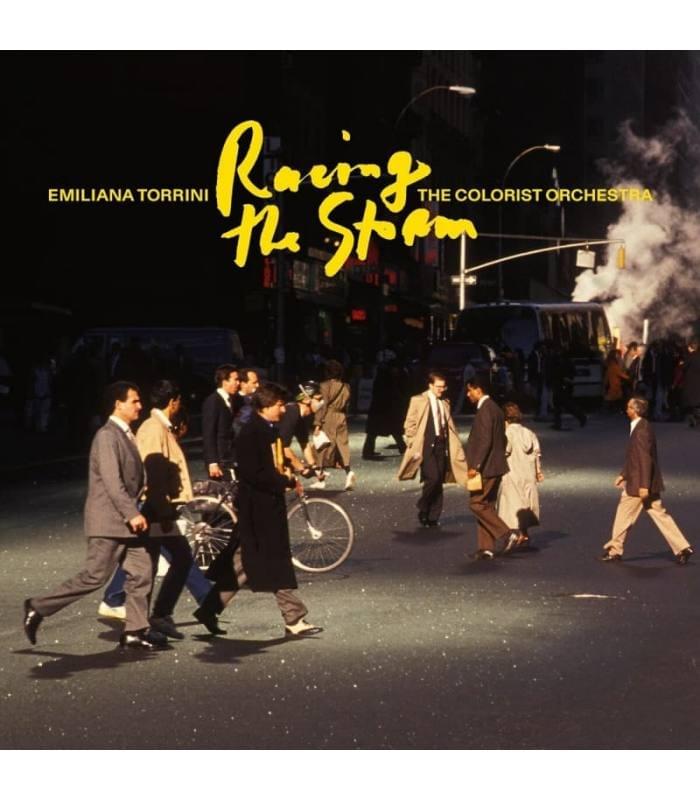
 View Artist