Song Meaning
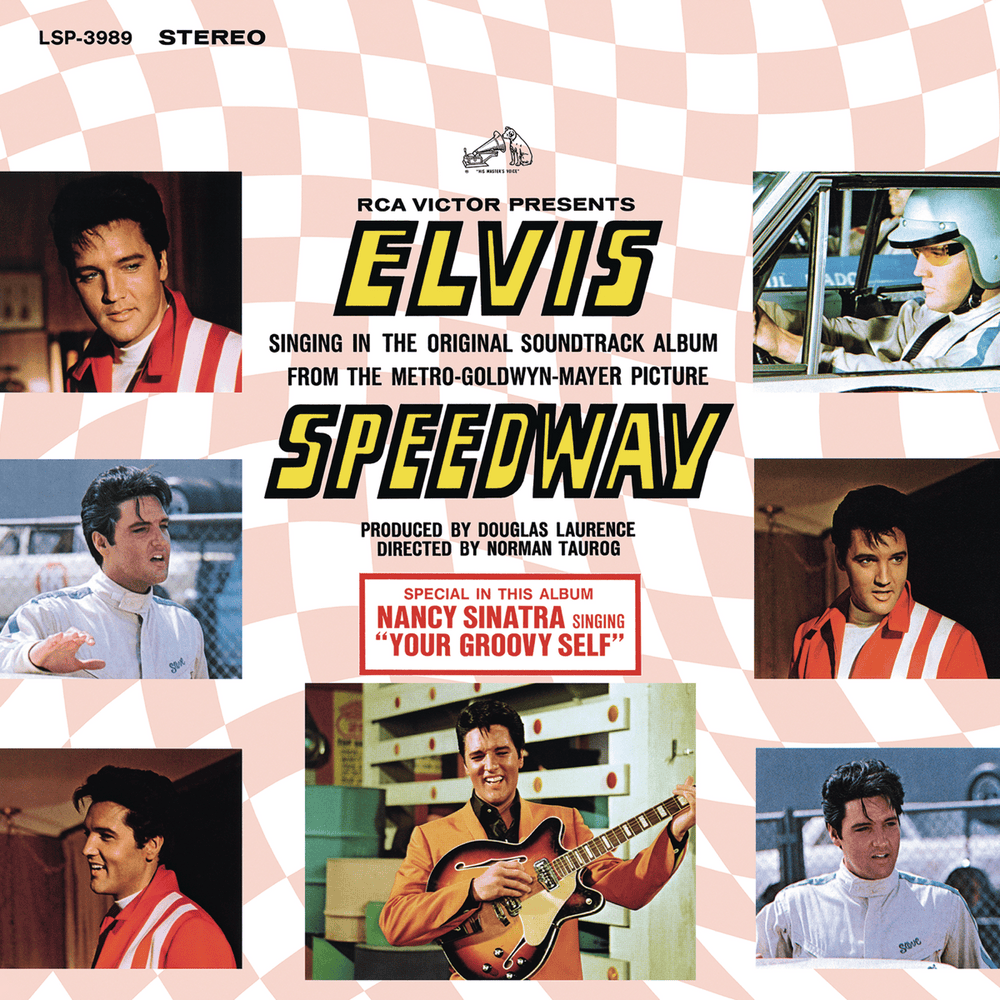
Elvis Presley's "Your Groovy Self" presents a charmingly anxious portrait of a speaker consumed by worry. A rapid-fire list of warnings, both mundane and peculiar, dominates the verses. It's a blend of protective concern and a slightly possessive desire for the subject's safe return.
The lyrics build a sense of escalating, almost comical, overprotection. The speaker moves from sensible advice like "Don't talk to strangers on the bus" to increasingly broad and vague admonitions: "Don't walk on stick or stones," "Stay away from happenings." This progression suggests the speaker's anxiety isn't just about specific dangers, but about the very act of the other person existing independently in the world.
The repeated refrain, "You know I got to worry / Til you bring your groovy self on home to me," anchors these disparate warnings in a singular, powerful motivation. The phrase "groovy self" itself creates a fascinating tension, as the speaker simultaneously celebrates this vibrant individuality while urging avoidance of anything that might lead to spontaneity or change. This tension culminates in the admission, "Don't change a thing or two / I'm hung up child on you," revealing the speaker's deep personal attachment and perhaps a fear of losing what they cherish.
Ultimately, the effectiveness of these lyrics lies in their portrayal of affection intertwined with control. The warnings aren't just about safety; they're a manifestation of the speaker's internal state, a desperate plea for the other person's unchanging presence. The final, direct command, "Get your groovy self on home," strips away all pretense, making it clear that all the preceding anxieties are merely a conduit for the speaker's singular desire for the subject's return.
 View Artist